Powerful Playtimes
Play is the very best way for babies and young children to develop and grow.
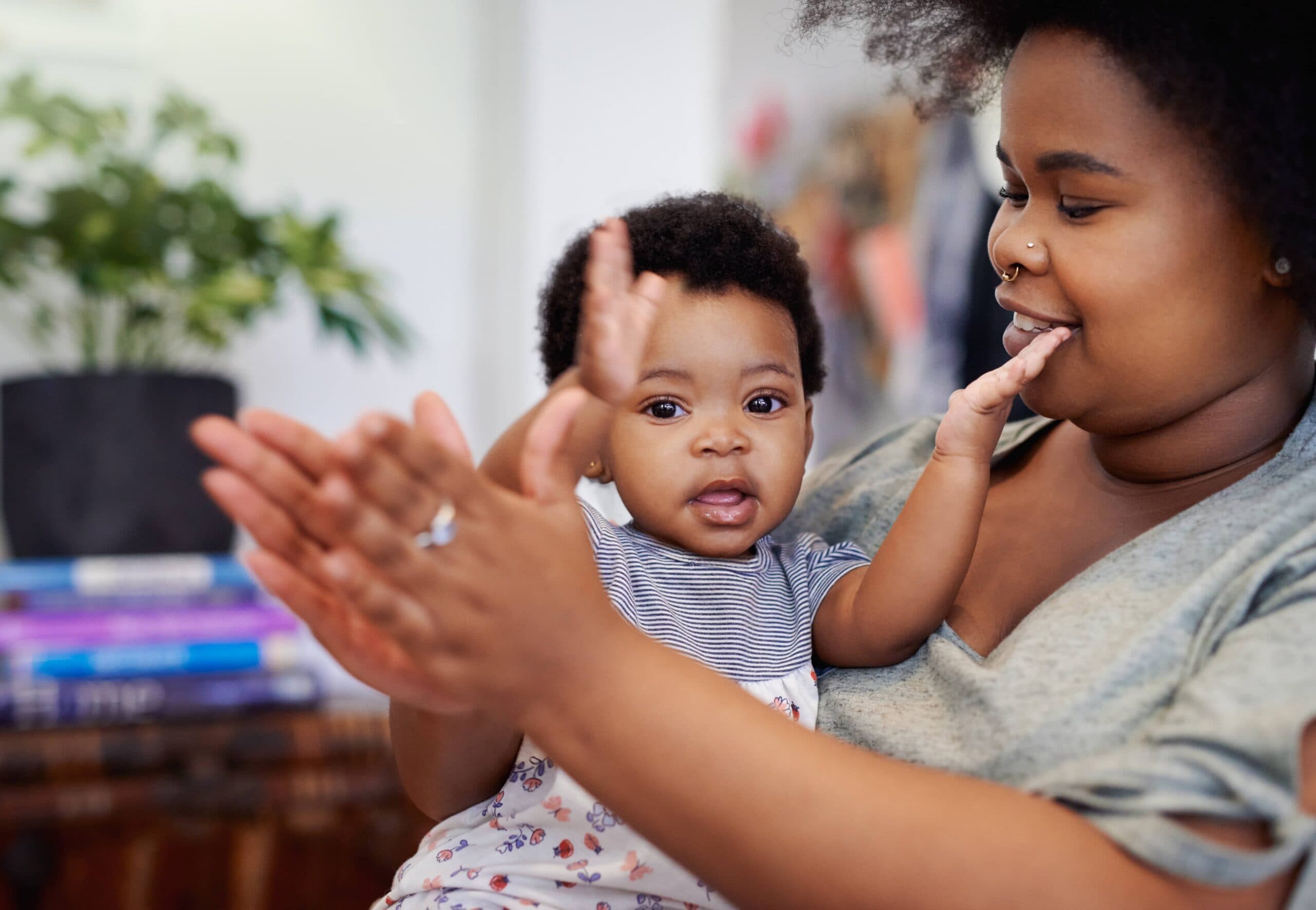
Play is the very best way for babies and young children to develop and grow. And playing together can help you connect with your child to build a strong, positive relationship. But it can be hard for adults to know how to play. Here are some ideas of ways to play.
- Audience
- Caregiver
- Subject
- Open-Ended Play
- Age
- InfantToddlerPre-KPreschool
- Languages
- EnglishHaitian CreoleSpanish
Resources in the Powerful Playtimes collection
 CaregiverActivity
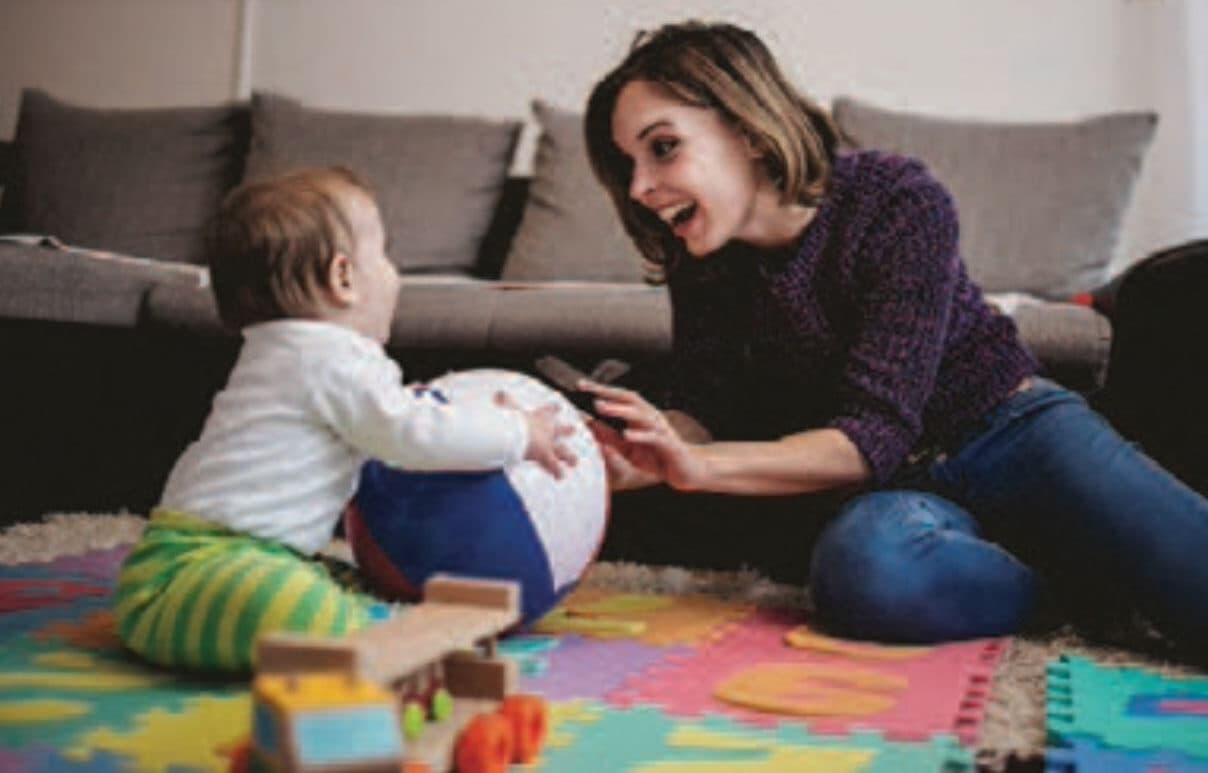
Infant Playtime with a Ball
It takes two people to pass a ball back and forth. And it is a great way to connect with your baby. Even if your baby cannot speak yet, that give and take with a ball is a way of communicating back and forth!
 CaregiverActivity
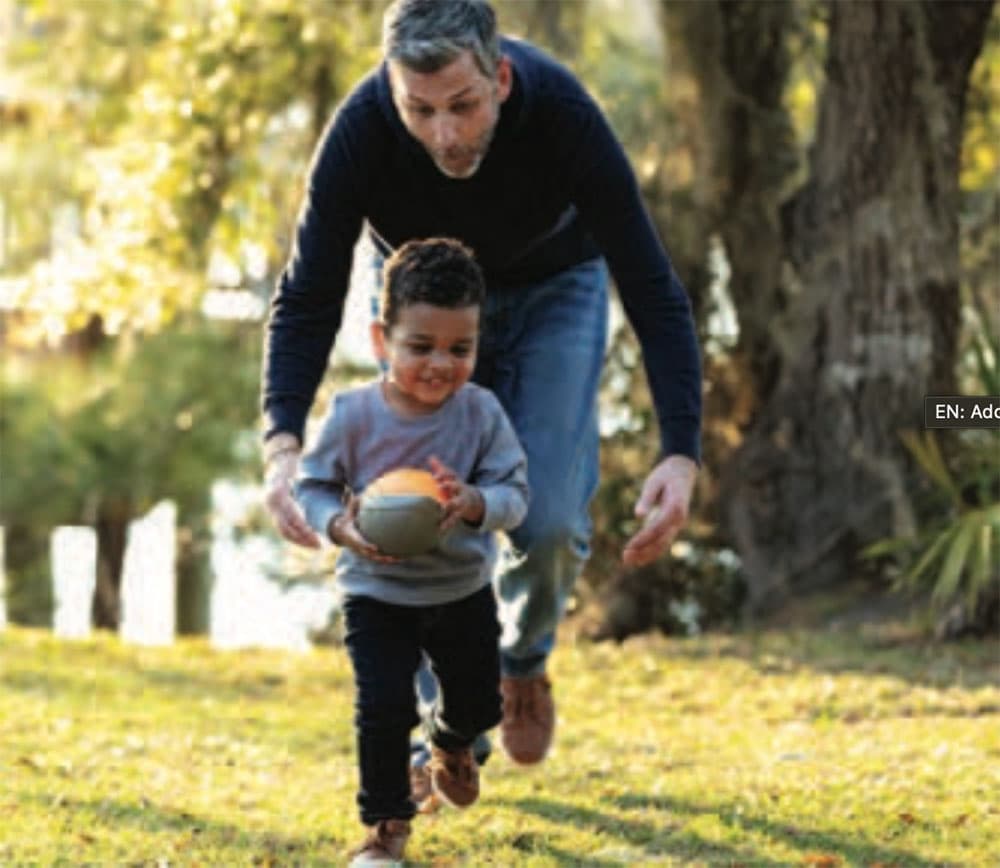
Toddler Playtime with a Ball
It takes two (or more) people to play catch. And one of the best ways to bond with your child is to play together. You and your child can both learn a lot from spending time with each other.
 CaregiverActivity
Preschooler Playtime with a Ball
Learning what your child likes and dislikes is an important part of your relationship. Your child might like soccer or basketball. Or they might like making up their own games. They also might like different things than you. Try to find something you both like playing together.
 CaregiverActivity
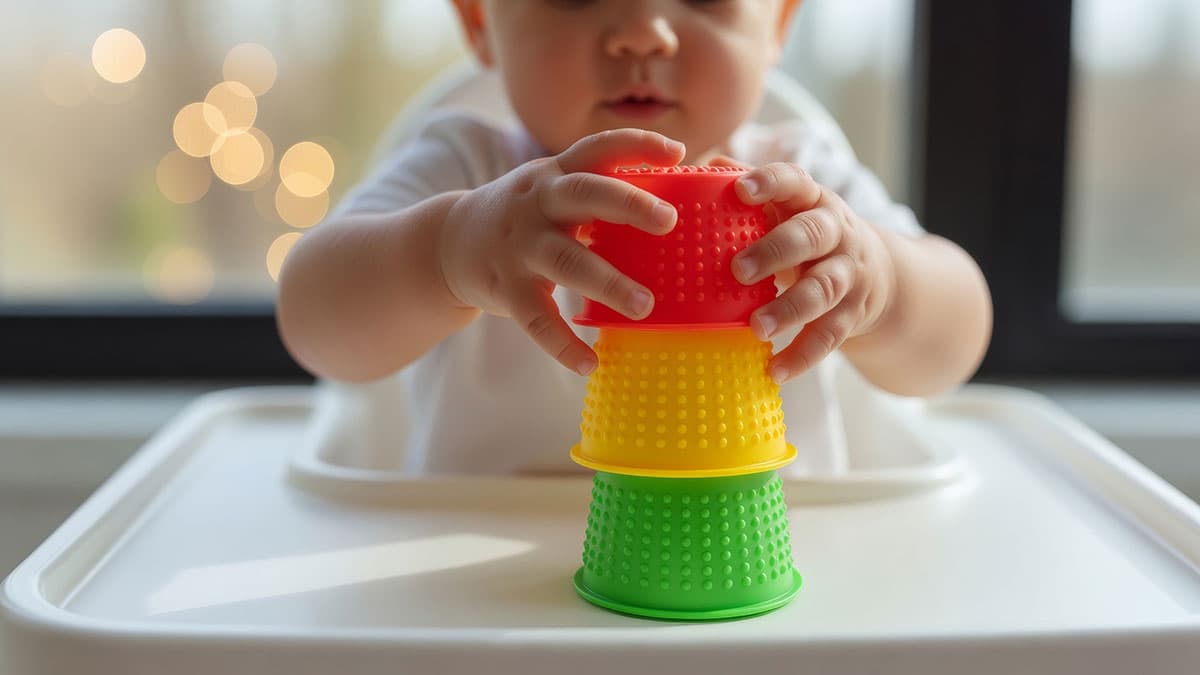
Infant Playtime with Cups
You are your baby’s first teacher. Your baby makes sounds with the cups and looks at you. By looking at you, they are saying, “Look what I did!” They also look at you to get new ideas, like how to put one cup on top of another.
 CaregiverActivity
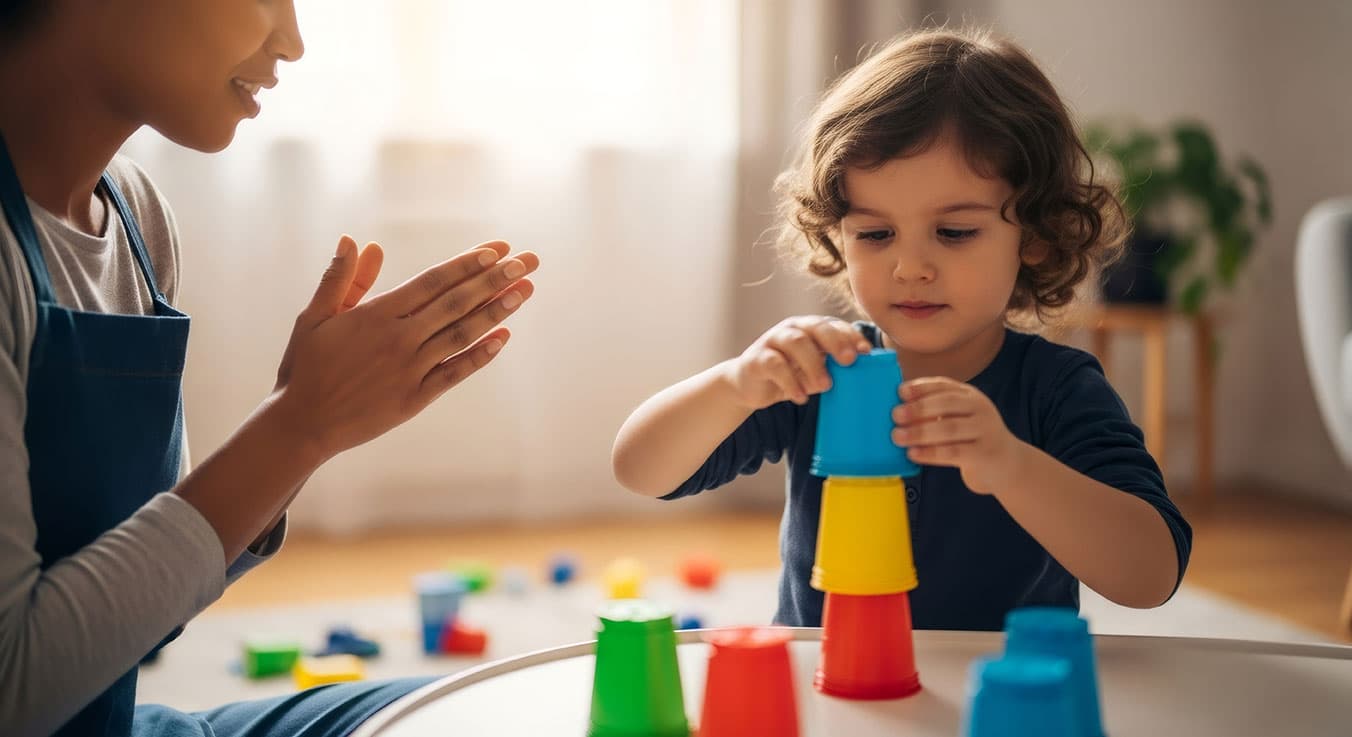
Toddler Playtime with Cups
Children can do so many different things with cups. A good way to connect with your child is to focus on what they are doing and what they are interested in. Watch their play. Point at what they are doing. And talk together—even before they have lots of words.
 CaregiverActivity
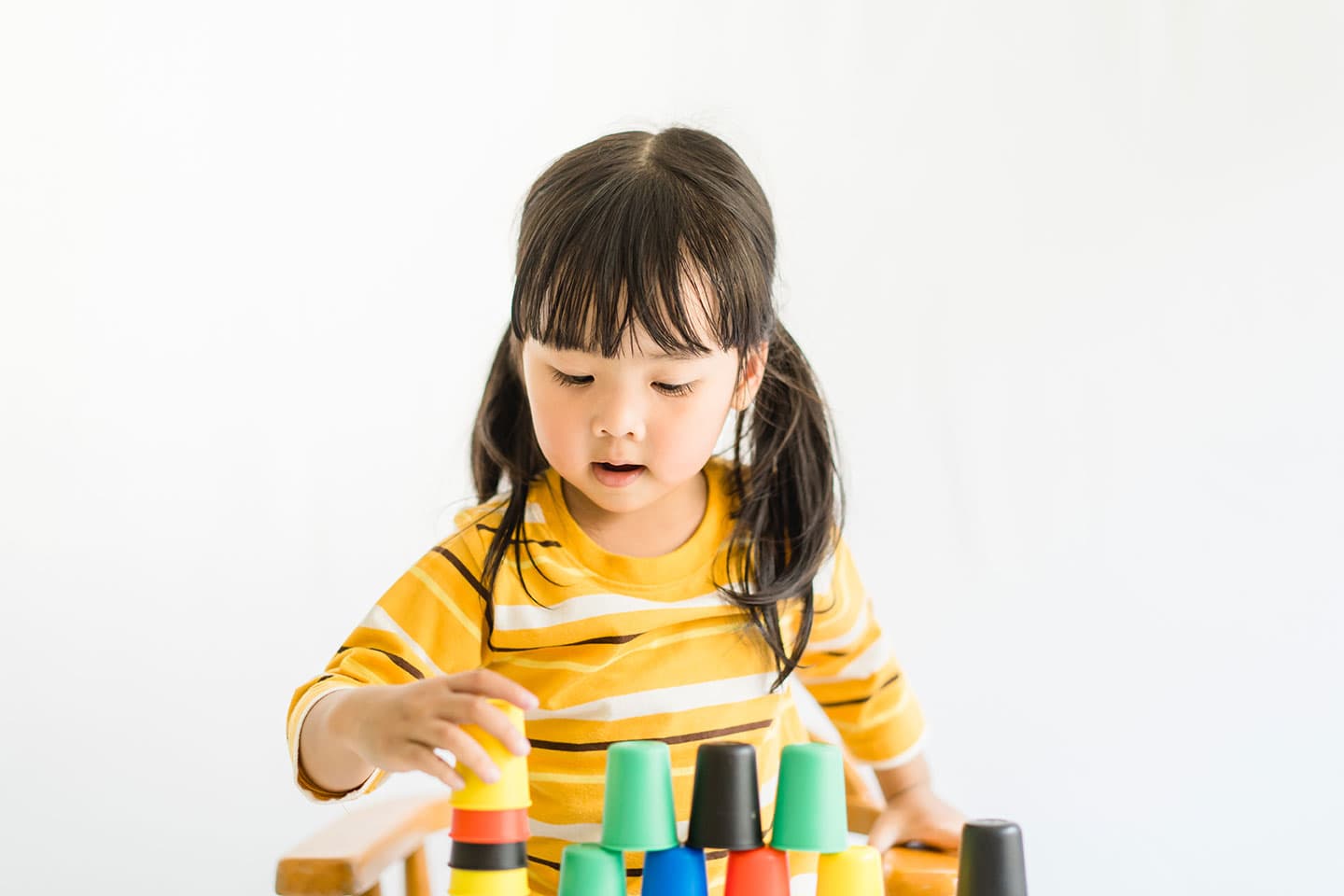
Preschooler Playtime with Cups
As your child gets older, something as simple as cups can still be a great toy. Use playtime as a way to have a conversation. Ask your child what they are doing. Then ask more questions. Your child will love that you are interested in them!
 CaregiverActivity
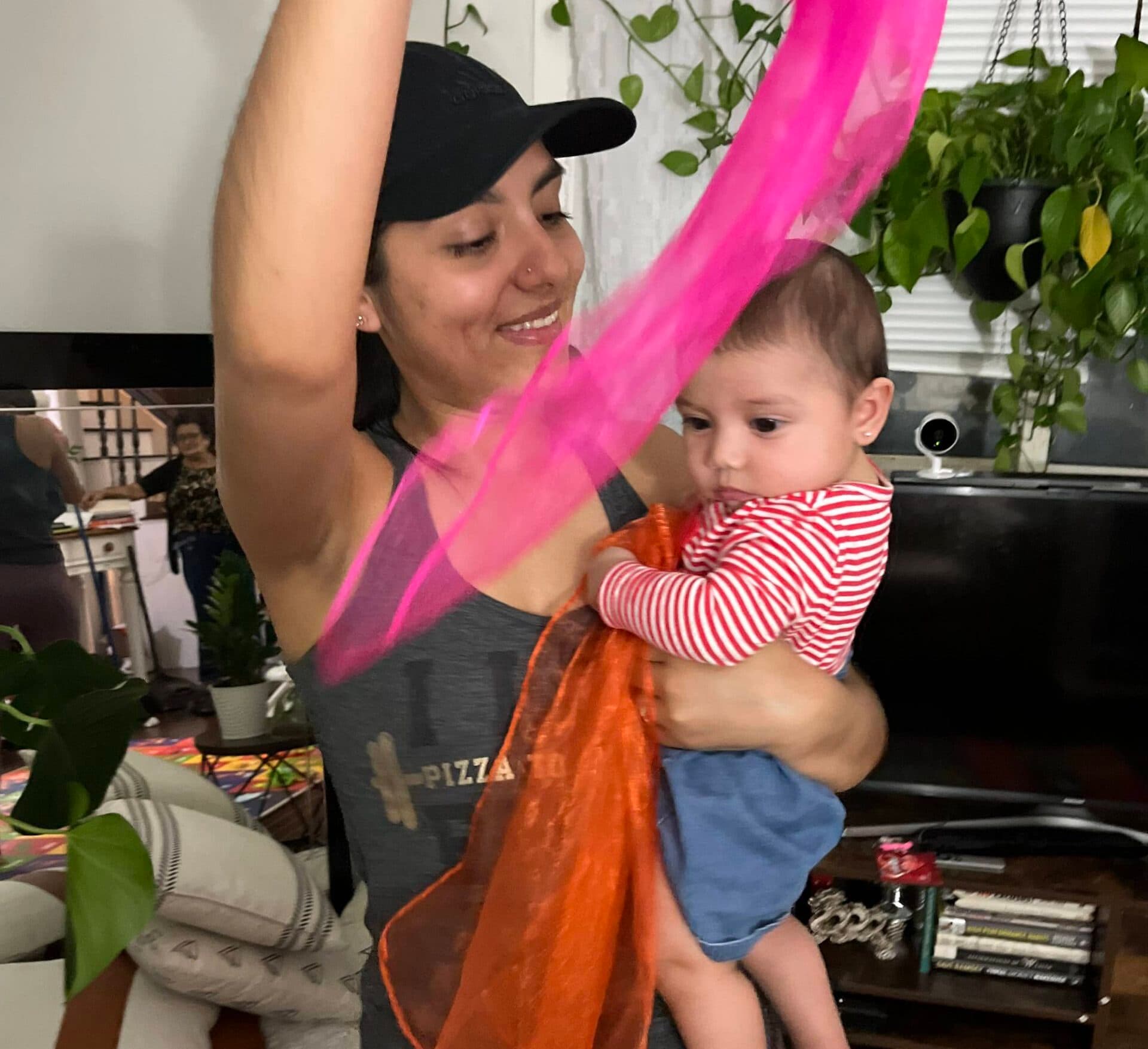
Infant Playtime with Scarves
Playtime can often be exciting, but it is important to have calmer ways to play too. You can use scarves for both types of play. If your baby has a lot of energy, play with the scarves with lots of movement. If your child is just waking up or getting tired, play with the scarves more gently.
 CaregiverActivity
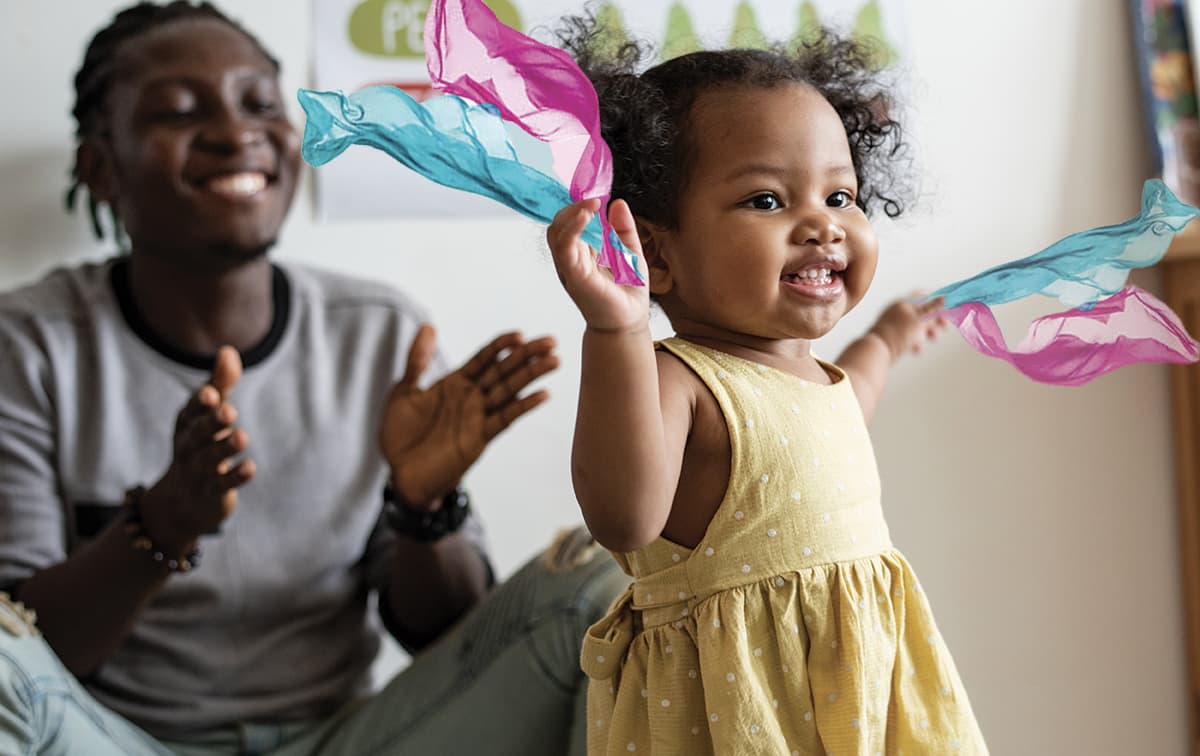
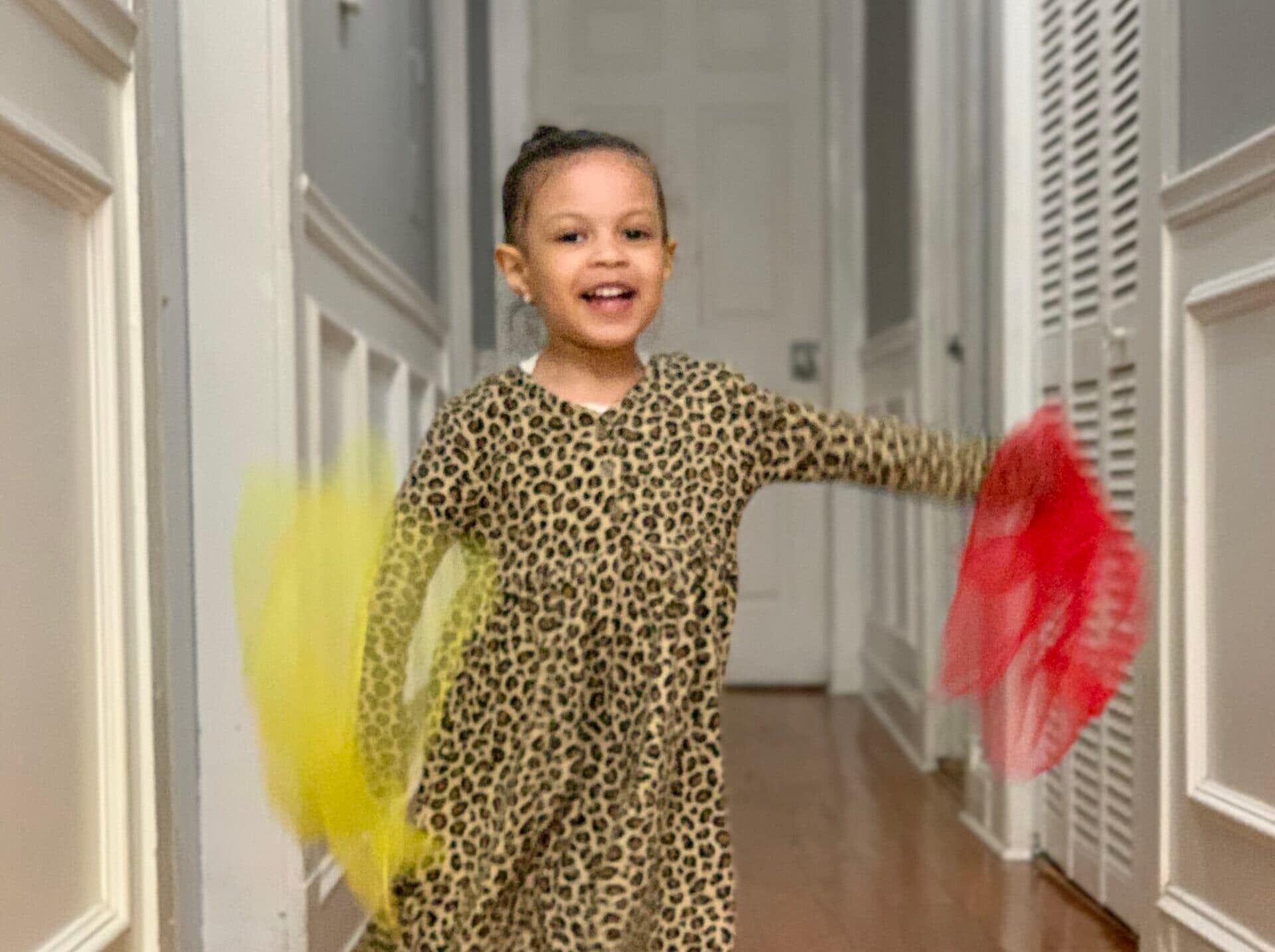
Toddler Playtime with Scarves
Having a good time together helps make your relationship with your child stronger. Be silly—you can wear a scarf as a hat or do funny dances. Take turns. Make mistakes together. And laugh a lot!
 CaregiverActivity
Preschooler Playtime with Scarves
Sometimes you and your child might want to run. Other times you might need quiet moments together. Scarves are great for both types of play. Having a good time together helps make your relationship with your child stronger.
 CaregiverActivity
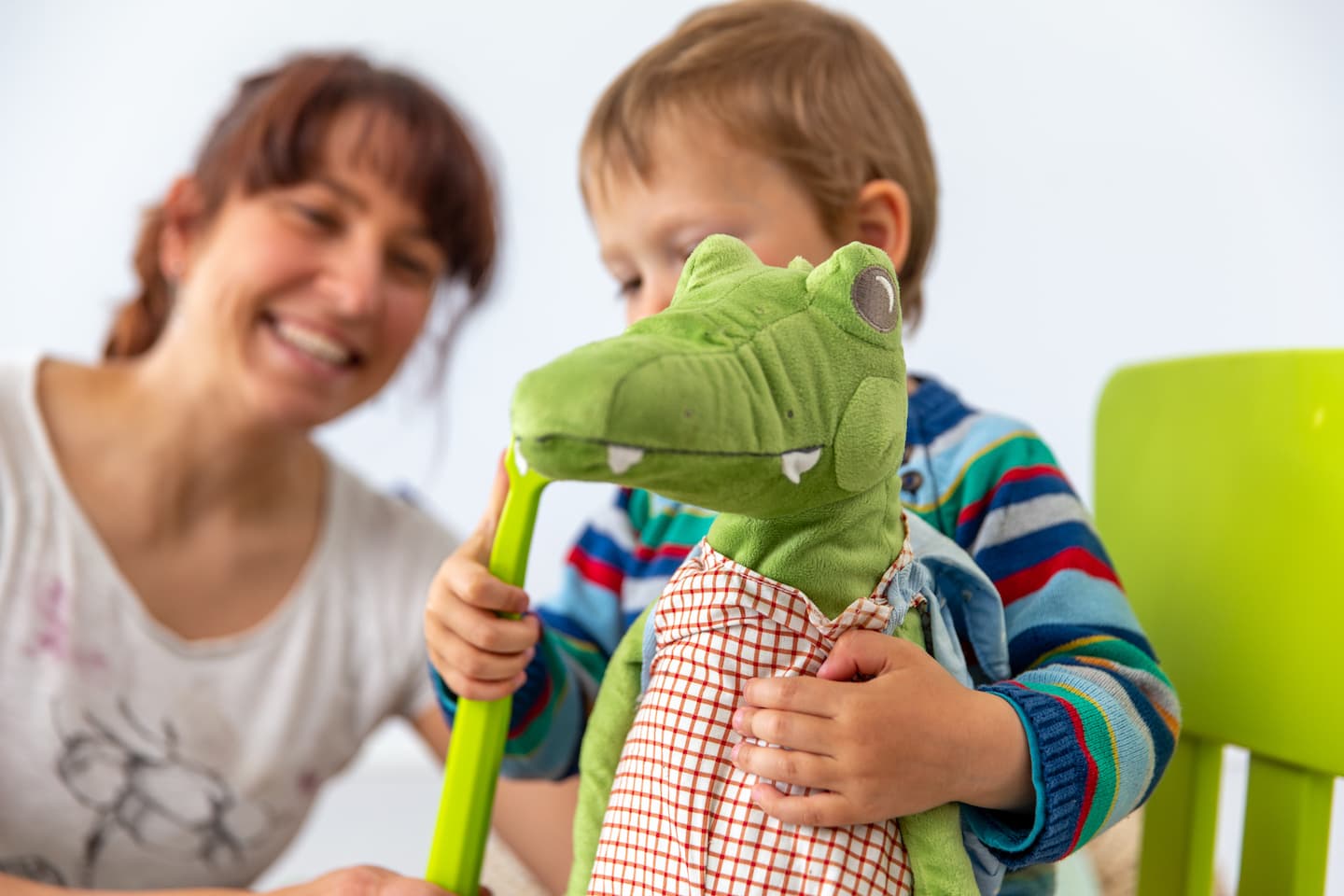
Infant Playtime with a Stuffed Animal
You are the first person your baby connects with. Some babies take a long time to feel comfortable with others. A stuffed animal is a nice first friend that you and your baby can play with together.
 CaregiverActivity
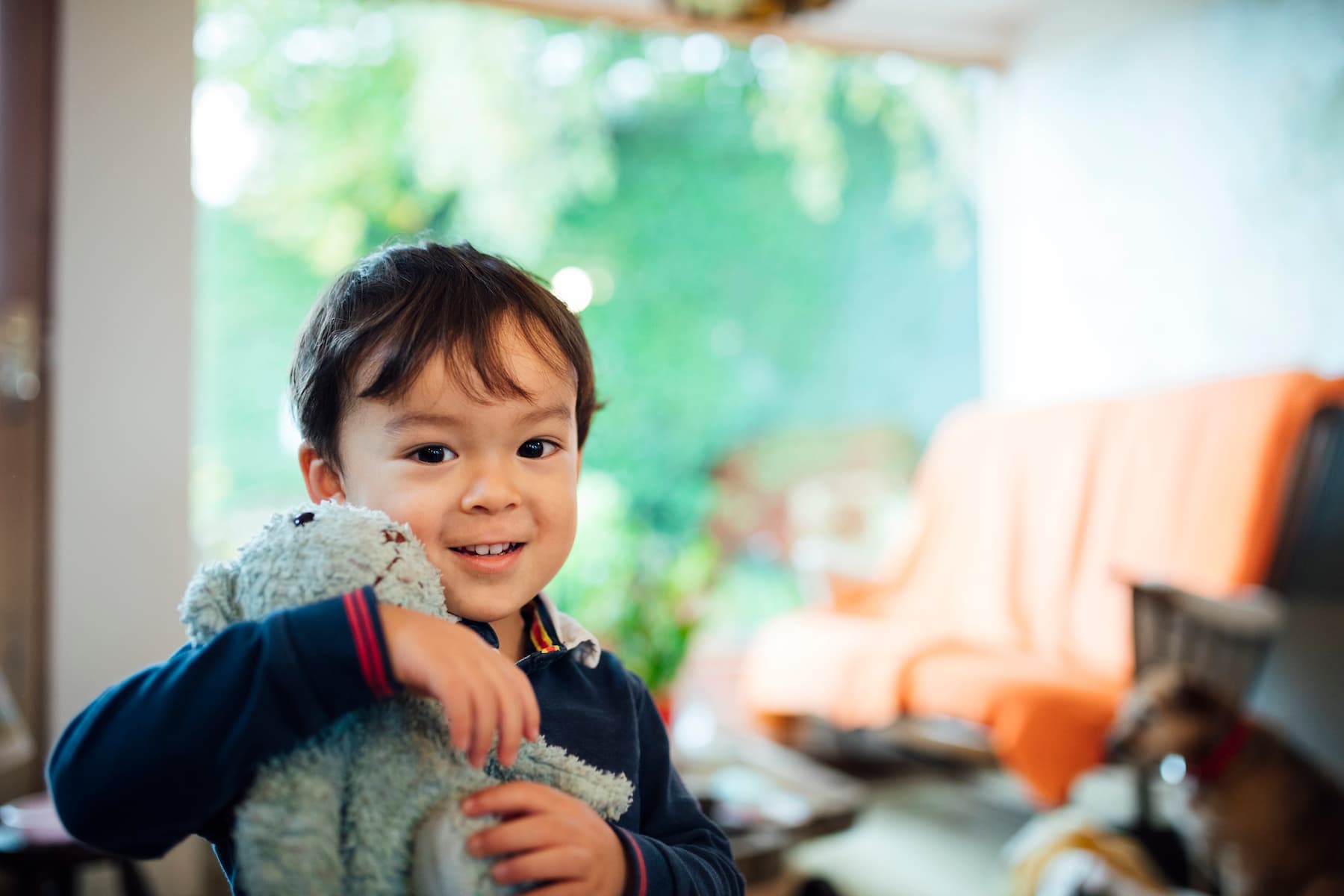
Toddler Playtime with a Stuffed Animal
You show your child you care when you play with them, make them lunch, put a band-aid on for them, and say “I love you.” Your child notices your caring actions and practices them too.
 CaregiverActivity
Preschooler Playtime with a Stuffed Animal
Giving your child time on their own is important for both of you. Your child might want to play with or talk to their stuffed animal—and not you. That’s okay! Watch, wait, and listen. Be ready when it is your turn to play again.
 CaregiverActivity
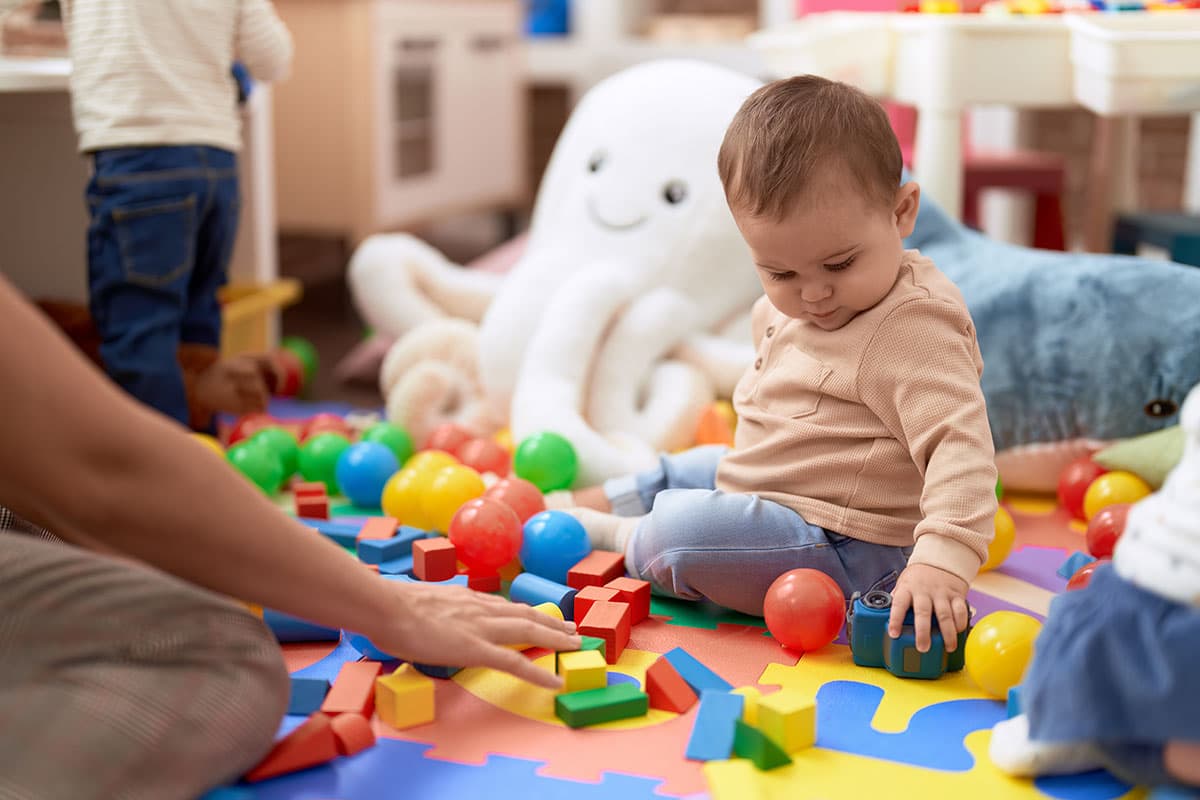
Infant Playtime with Lots of Toys
When you offer your baby different types of toys, they have even more ways to play—and you have even more ways to learn about your baby! Enjoy your time together. Be proud of how they are growing!
 CaregiverActivity
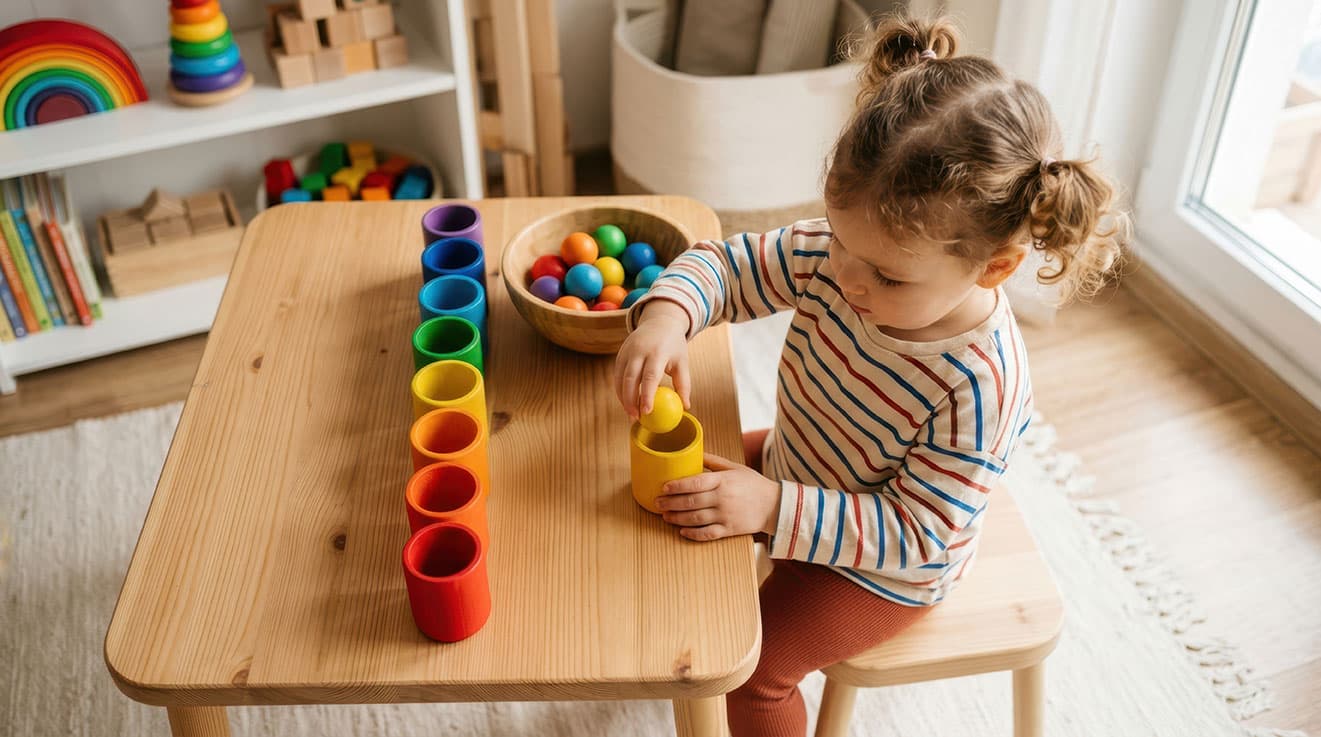
Toddler Playtime with Lots of Toys
Sometimes you might be too tired or too busy to play. Other times your child might not want to play with you. That’s okay. Just being together while you each do your own thing shows that you care about your child. And doing things on their own is part of growing up!
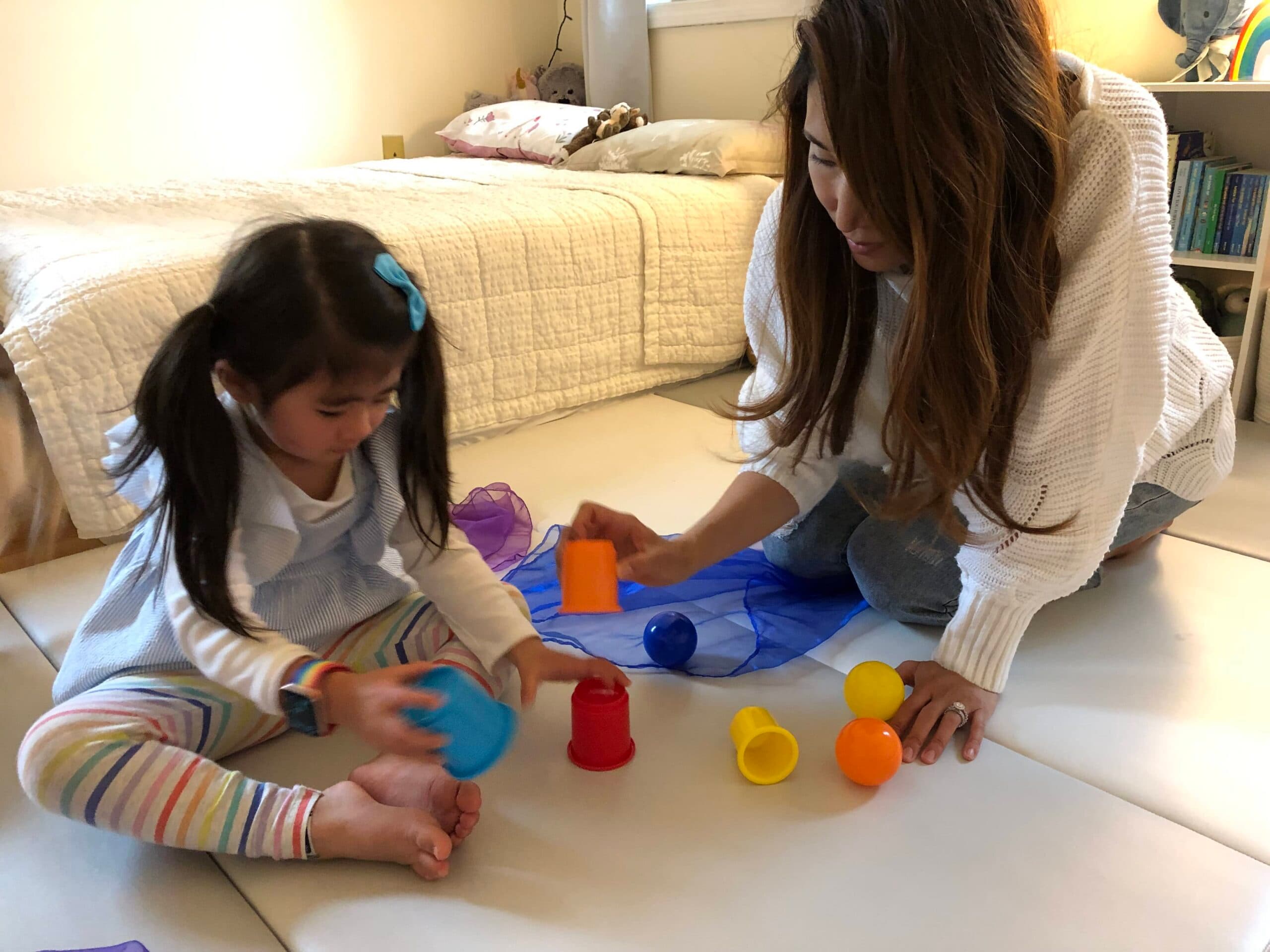 CaregiverActivity
Preschooler Playtime with Lots of Toys
Sometimes it is good to play with the same thing again and again. Other times it is nice to try something new. Mixing different types of toys together can help make playtime more exciting for both you and your child.
Play is the very best way for babies and young children to develop and grow. And playing together can help you connect with your child to build a strong, positive relationship. But it can be hard for adults to know how to play. Here are some ideas of ways to play.
Download the Activity Cards
Explore the Powerful Playtimes Family Activity Cards for ways to play in and outside the home. These cards are full of ideas to support you in using playtime to strengthen the bond with your child.
Get started
Make time. Toys are great tools, but you matter most to your child. Make special time to play together—even just 5 minutes. Your time together is important.
Start calmly. Say your child’s name quietly. Give a gentle tap on their nose, cheek, shoulder, or arm to get their attention. Your child can feel that you are ready to connect with them.
Offer just enough stuff. Too many toys can be overwhelming. Give your child one or two things to start.
Support your child’s interests
“Try again.” Your child might do the same thing over and over. You might feel bored and that’s okay! The activity is still a challenge for your child, and they are having fun. Encourage them to keep trying—and focus on being proud of them for learning new things.
“You really like doing this.” Your child might play longer with a stuffed animal than a ball. Or they might not want to play with a ball at all. Just like you, your child has things they like and dislike. And these things can change over time. Notice what they are interested in. Then find some things you both like to do together!
“You can do it!” Watch and wait. Everything is new to your child, and they are just learning how to do things. They may have a hard time doing something that is easy for you. Encourage them to try it their way. Offer a little help or a new idea only after they tried it by themselves many times.
Make it fun for yourself
Learn something new about your child. Even if your child is doing something simple, watch carefully. Did they throw the ball forward instead of backwards? Are they making a different sound? Watch their face and notice how they are feeling. Each time you play, you can learn something about your child.
You play too! While your child is playing, play next to them. Challenge yourself with the toys. Can you juggle? Or balance a ball on top of a tower? Your child might stay focused on what they are doing. Or they might watch you and be excited by your skills!
Laugh together. Young children are silly. Babies might make funny sounds. Toddlers might move in a funny way. Preschoolers might tell a story that doesn’t make a lot of sense. Laugh and say, “That’s so silly!” Your child might laugh too! Laughter is a great way to feel good and build a positive relationship.
All play encourages learning. When your child plays, they learn new words, find out how things work, explore ways of using their bodies, and build their confidence. But don’t worry too much about what they are doing and learning. Just enjoy playing with your child—and that time together will help them develop and grow!
About this Collection
Play is the very best way for babies and young children to develop and grow. And playing together can help you connect with your child to build a strong, positive relationship. But it can be hard for adults to know how to play. Here are some ideas of ways to play.
Download the Activity Cards
Explore the Powerful Playtimes Family Activity Cards for ways to play in and outside the home. These cards are full of ideas to support you in using playtime to strengthen the bond with your child.
Get started
Make time. Toys are great tools, but you matter most to your child. Make special time to play together—even just 5 minutes. Your time together is important.
Start calmly. Say your child’s name quietly. Give a gentle tap on their nose, cheek, shoulder, or arm to get their attention. Your child can feel that you are ready to connect with them.
Offer just enough stuff. Too many toys can be overwhelming. Give your child one or two things to start.
Support your child’s interests
“Try again.” Your child might do the same thing over and over. You might feel bored and that’s okay! The activity is still a challenge for your child, and they are having fun. Encourage them to keep trying—and focus on being proud of them for learning new things.
“You really like doing this.” Your child might play longer with a stuffed animal than a ball. Or they might not want to play with a ball at all. Just like you, your child has things they like and dislike. And these things can change over time. Notice what they are interested in. Then find some things you both like to do together!
“You can do it!” Watch and wait. Everything is new to your child, and they are just learning how to do things. They may have a hard time doing something that is easy for you. Encourage them to try it their way. Offer a little help or a new idea only after they tried it by themselves many times.
Make it fun for yourself
Learn something new about your child. Even if your child is doing something simple, watch carefully. Did they throw the ball forward instead of backwards? Are they making a different sound? Watch their face and notice how they are feeling. Each time you play, you can learn something about your child.
You play too! While your child is playing, play next to them. Challenge yourself with the toys. Can you juggle? Or balance a ball on top of a tower? Your child might stay focused on what they are doing. Or they might watch you and be excited by your skills!
Laugh together. Young children are silly. Babies might make funny sounds. Toddlers might move in a funny way. Preschoolers might tell a story that doesn’t make a lot of sense. Laugh and say, “That’s so silly!” Your child might laugh too! Laughter is a great way to feel good and build a positive relationship.
All play encourages learning. When your child plays, they learn new words, find out how things work, explore ways of using their bodies, and build their confidence. But don’t worry too much about what they are doing and learning. Just enjoy playing with your child—and that time together will help them develop and grow!
Powerful Playtimes Collection: 15 items
Resources in the Powerful Playtimes collection
CaregiverActivityInfant Playtime with a Ball
It takes two people to pass a ball back and forth. And it is a great way to connect with your baby. Even if your baby cannot speak yet, that give and take with a ball is a way of communicating back and forth!
CaregiverActivityToddler Playtime with a Ball
It takes two (or more) people to play catch. And one of the best ways to bond with your child is to play together. You and your child can both learn a lot from spending time with each other.
CaregiverActivityPreschooler Playtime with a Ball
Learning what your child likes and dislikes is an important part of your relationship. Your child might like soccer or basketball. Or they might like making up their own games. They also might like different things than you. Try to find something you both like playing together.
CaregiverActivityInfant Playtime with Cups
You are your baby’s first teacher. Your baby makes sounds with the cups and looks at you. By looking at you, they are saying, “Look what I did!” They also look at you to get new ideas, like how to put one cup on top of another.
CaregiverActivityToddler Playtime with Cups
Children can do so many different things with cups. A good way to connect with your child is to focus on what they are doing and what they are interested in. Watch their play. Point at what they are doing. And talk together—even before they have lots of words.
CaregiverActivityPreschooler Playtime with Cups
As your child gets older, something as simple as cups can still be a great toy. Use playtime as a way to have a conversation. Ask your child what they are doing. Then ask more questions. Your child will love that you are interested in them!
CaregiverActivityInfant Playtime with Scarves
Playtime can often be exciting, but it is important to have calmer ways to play too. You can use scarves for both types of play. If your baby has a lot of energy, play with the scarves with lots of movement. If your child is just waking up or getting tired, play with the scarves more gently.
CaregiverActivityToddler Playtime with Scarves
Having a good time together helps make your relationship with your child stronger. Be silly—you can wear a scarf as a hat or do funny dances. Take turns. Make mistakes together. And laugh a lot!
CaregiverActivityPreschooler Playtime with Scarves
Sometimes you and your child might want to run. Other times you might need quiet moments together. Scarves are great for both types of play. Having a good time together helps make your relationship with your child stronger.
CaregiverActivityInfant Playtime with a Stuffed Animal
You are the first person your baby connects with. Some babies take a long time to feel comfortable with others. A stuffed animal is a nice first friend that you and your baby can play with together.
CaregiverActivityToddler Playtime with a Stuffed Animal
You show your child you care when you play with them, make them lunch, put a band-aid on for them, and say “I love you.” Your child notices your caring actions and practices them too.
CaregiverActivityPreschooler Playtime with a Stuffed Animal
Giving your child time on their own is important for both of you. Your child might want to play with or talk to their stuffed animal—and not you. That’s okay! Watch, wait, and listen. Be ready when it is your turn to play again.
CaregiverActivityInfant Playtime with Lots of Toys
When you offer your baby different types of toys, they have even more ways to play—and you have even more ways to learn about your baby! Enjoy your time together. Be proud of how they are growing!
CaregiverActivityToddler Playtime with Lots of Toys
Sometimes you might be too tired or too busy to play. Other times your child might not want to play with you. That’s okay. Just being together while you each do your own thing shows that you care about your child. And doing things on their own is part of growing up!
CaregiverActivityPreschooler Playtime with Lots of Toys
Sometimes it is good to play with the same thing again and again. Other times it is nice to try something new. Mixing different types of toys together can help make playtime more exciting for both you and your child.