Pumpkin Hammering
Children will figure out how to get the golf tees in and out of the pumpkin and how to hold the tee and use the mallet safely and accurately. Offering the opportunity for children to try something new that can be challenging.
- Audience
- Caregiver
- Subject
- Nature & Outdoor
- Age
- InfantKindergartenPre-KPreschoolToddler
- Languages
- Brazilian PortugueseEnglishHaitian CreoleSimplified ChineseSpanishVietnamese
- Materials
- Pumpkin, golf tees, child-size wooden hammer, sponge (optional), soap (optional), tongs or tweezers (optional)
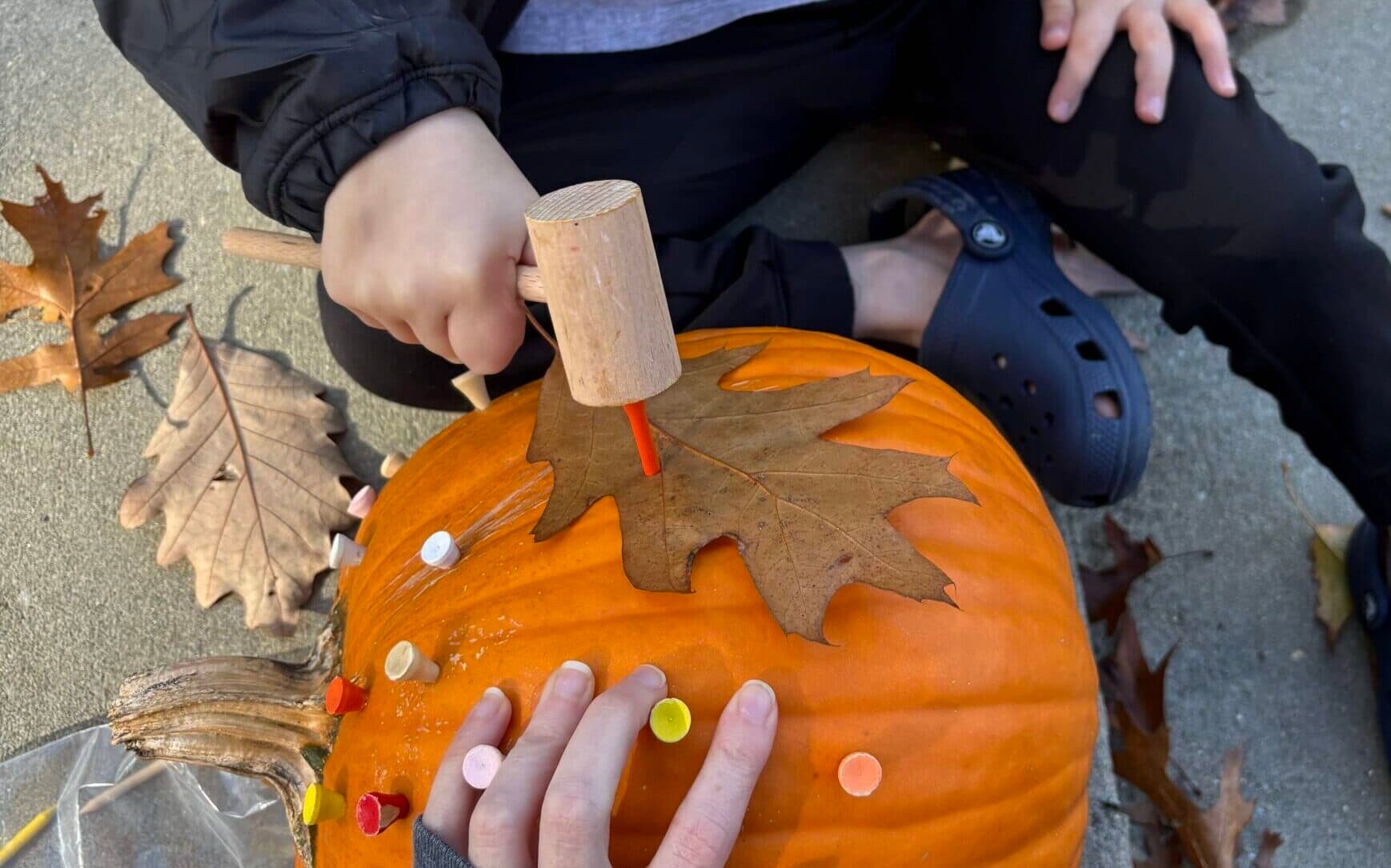
Try pumpkin hammering with your child!
Activity
- Show your child how to hold the tee and the mallet. Tap the tee gently and keep fingers out of the way. It is okay to hit the tee and pumpkin, but not yourself or others.
- Practice hammering together! Help your child get started by hammering the tip of the tee into the pumpkin. Then, let your child hammer it in the rest of the way. Making a few holes in the pumpkin can also make it easier for children to hammer the golf tees in. After trying a few times, your child may be able to hammer the tee on their own!
- Try pulling the tees out. Explore how it feels. Is it easy or difficult? Do the tees feel wet or dry? Can you push the tees back in with your hands, or do you need the mallet again?
Not ready for hammering?
These ideas work well for babies, but hammering can be a challenge for all ages!
- Try washing a small pumpkin instead. Put it in a bin with a little water and a sponge. Add a drop of soap for bubbles!
- Hammer tees all the way in and pull them out to make holes. Your child can push the tees in with their fingers instead of using a hammer.
Want more challenge?
- Try pulling the tees out using tongs or tweezers.
- Make a pattern or shape with the tees. If your child is not sure how to draw, it might help to draw a simple line or shape on the pumpkin and let your child follow it.
Don't have pumpkins?
- You can use squash, zucchini, watermelon, or cantaloupe. If you don't want to waste food, scoop out the insides and use the skin. You can also try egg cartons, cardboard boxes, or playdough.
Related Resources
 CaregiverActivity
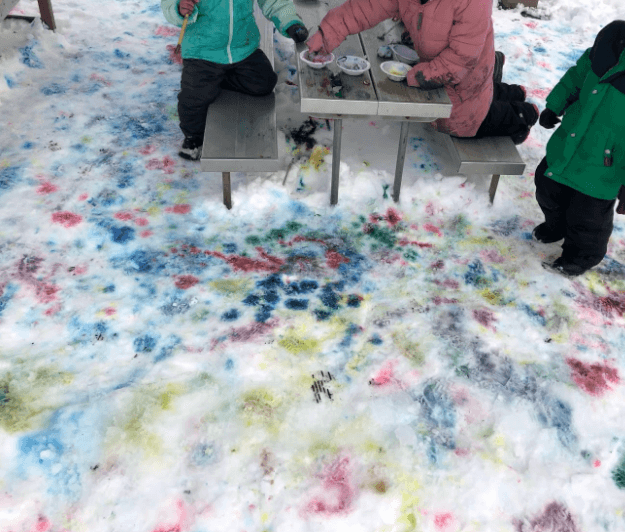
Painting Snow
Children can paint freely across a unique surface and see where their ideas take them. Experiencing textures and temperatures you feel, like the hard ground, cold snow, and frozen, slippery ice.
 CaregiverActivity
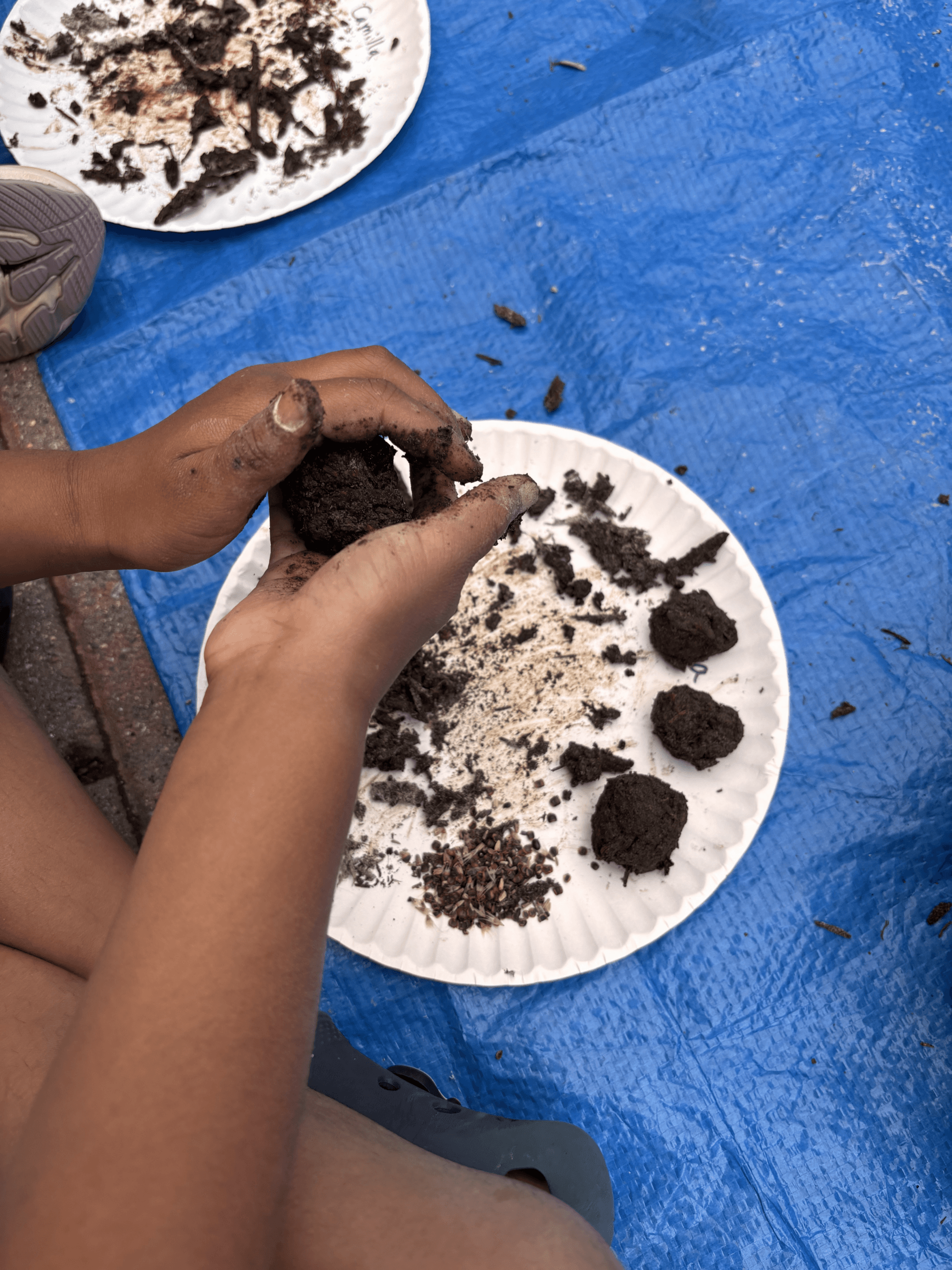
Making Seed Balls
Being able to watch the growth of seeds that you planted yourself is a great way for children to appreciate nature. First we mix ingredients, next we watch a seedling grow, then we see a flower bloom!
 CaregiverActivity
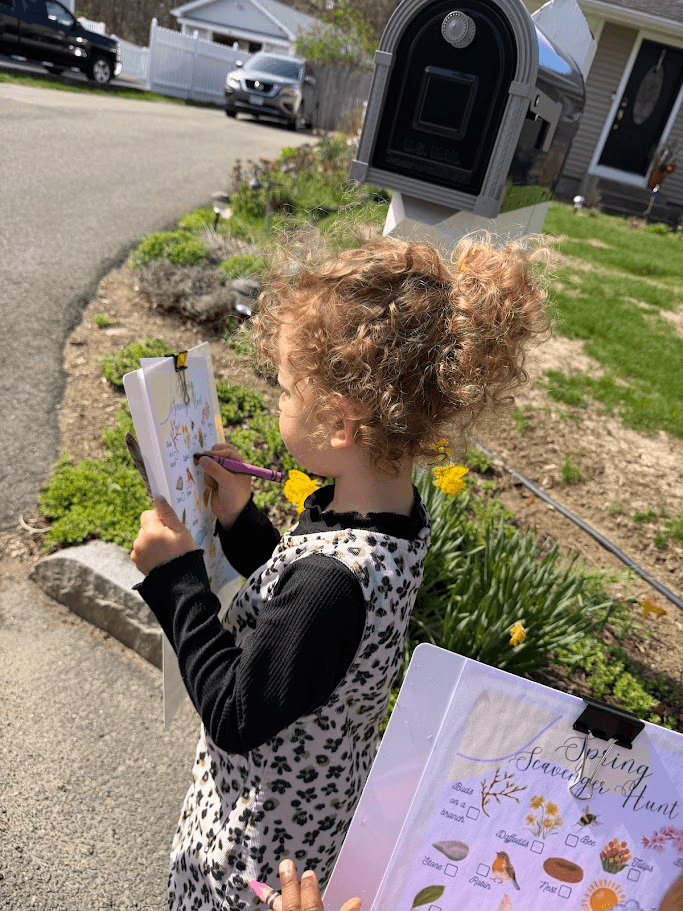
Scavenger Hunts
Encourage children to explore, observe their surroundings using their senses and tools (magnifying glasses), and ask questions about what they notice. Find all the items on their scavenger hunt checklist can promote a sense of independence as well.
 CaregiverActivity
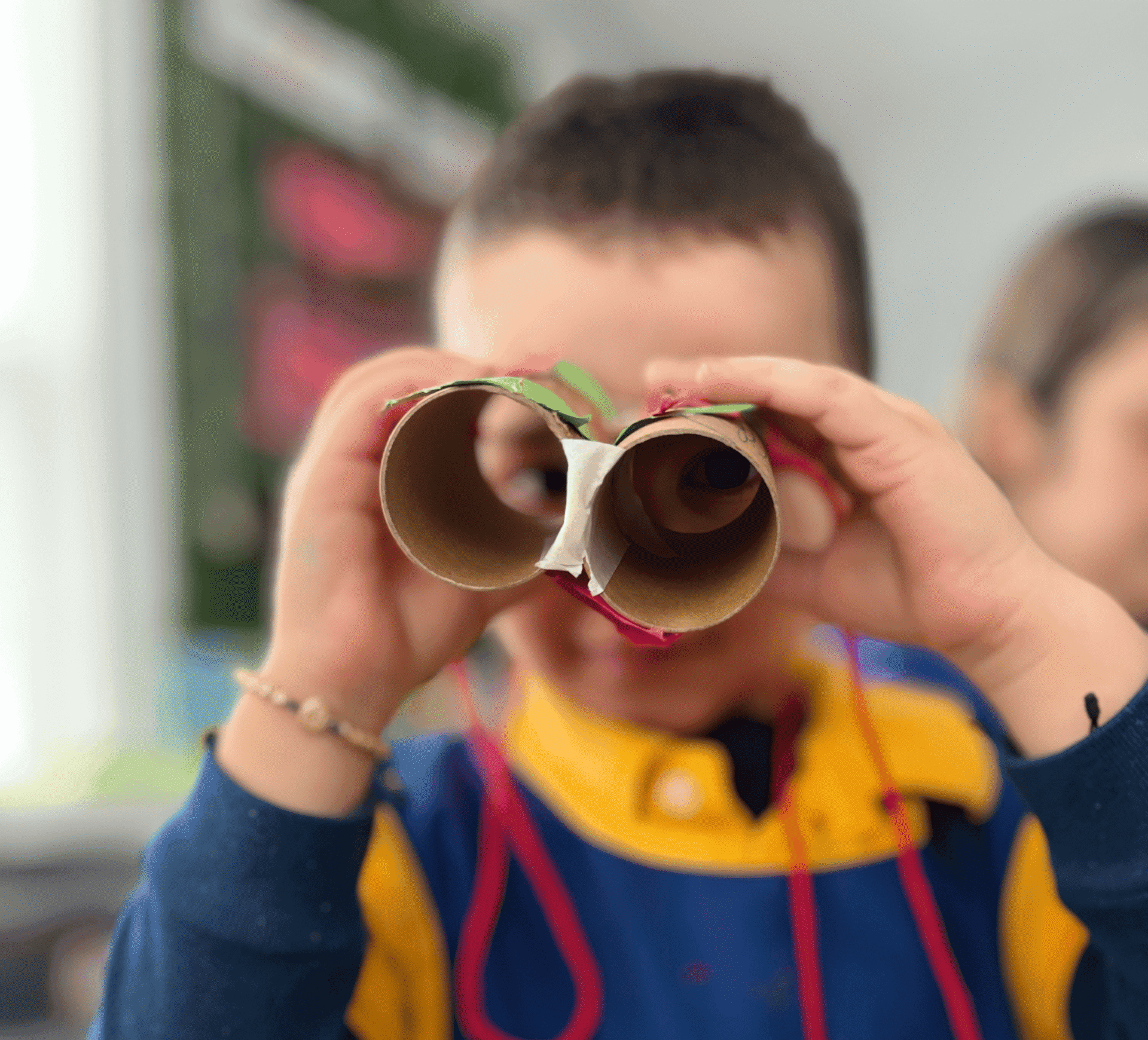
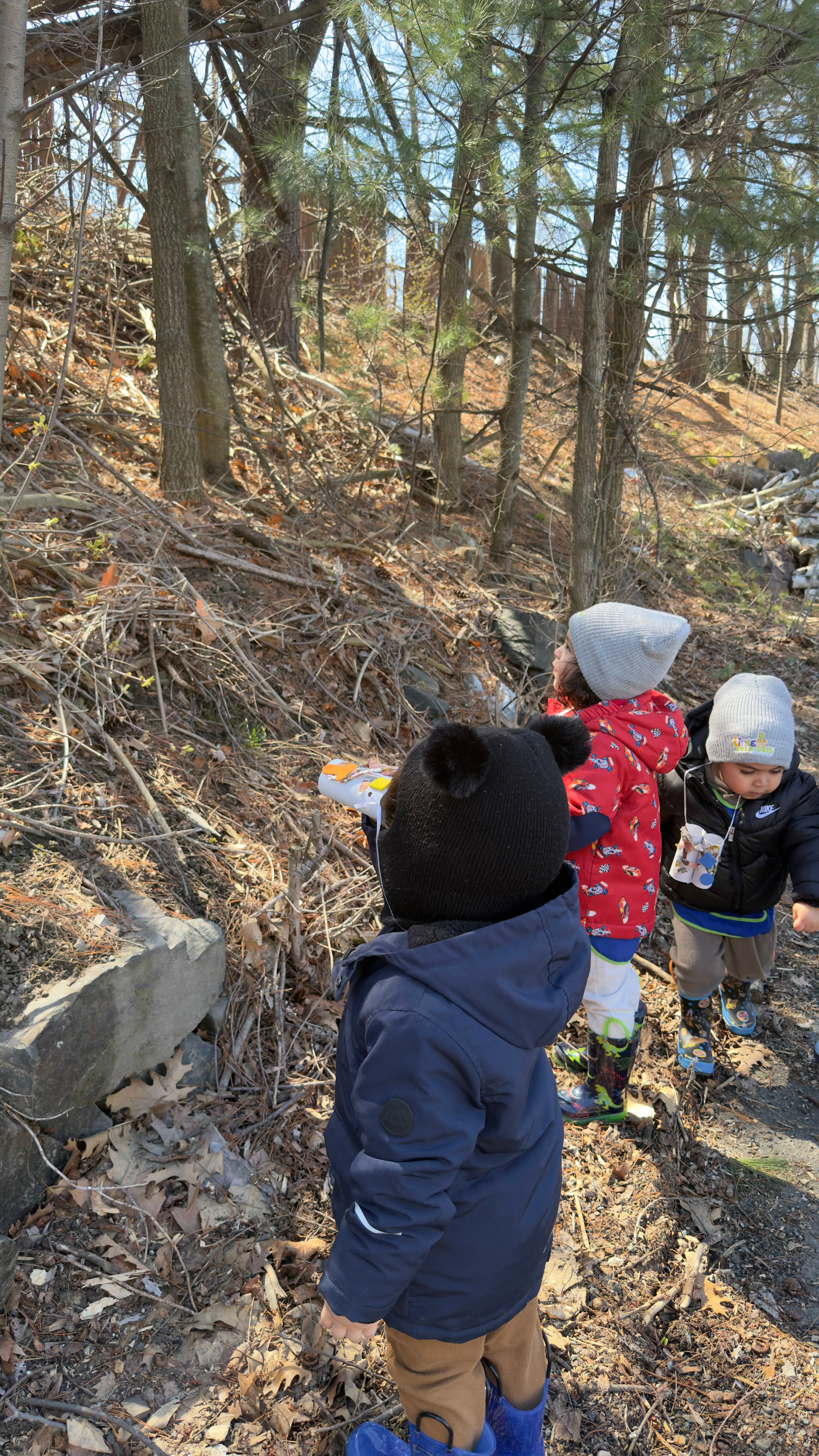
Paper Tube Binoculars
By making and using binoculars, children will closely engage with the natural world as they explore. Encourage them to notice the small details such as colors, shapes, and patterns as they explore different items, animals, and so much more!
 CaregiverActivity
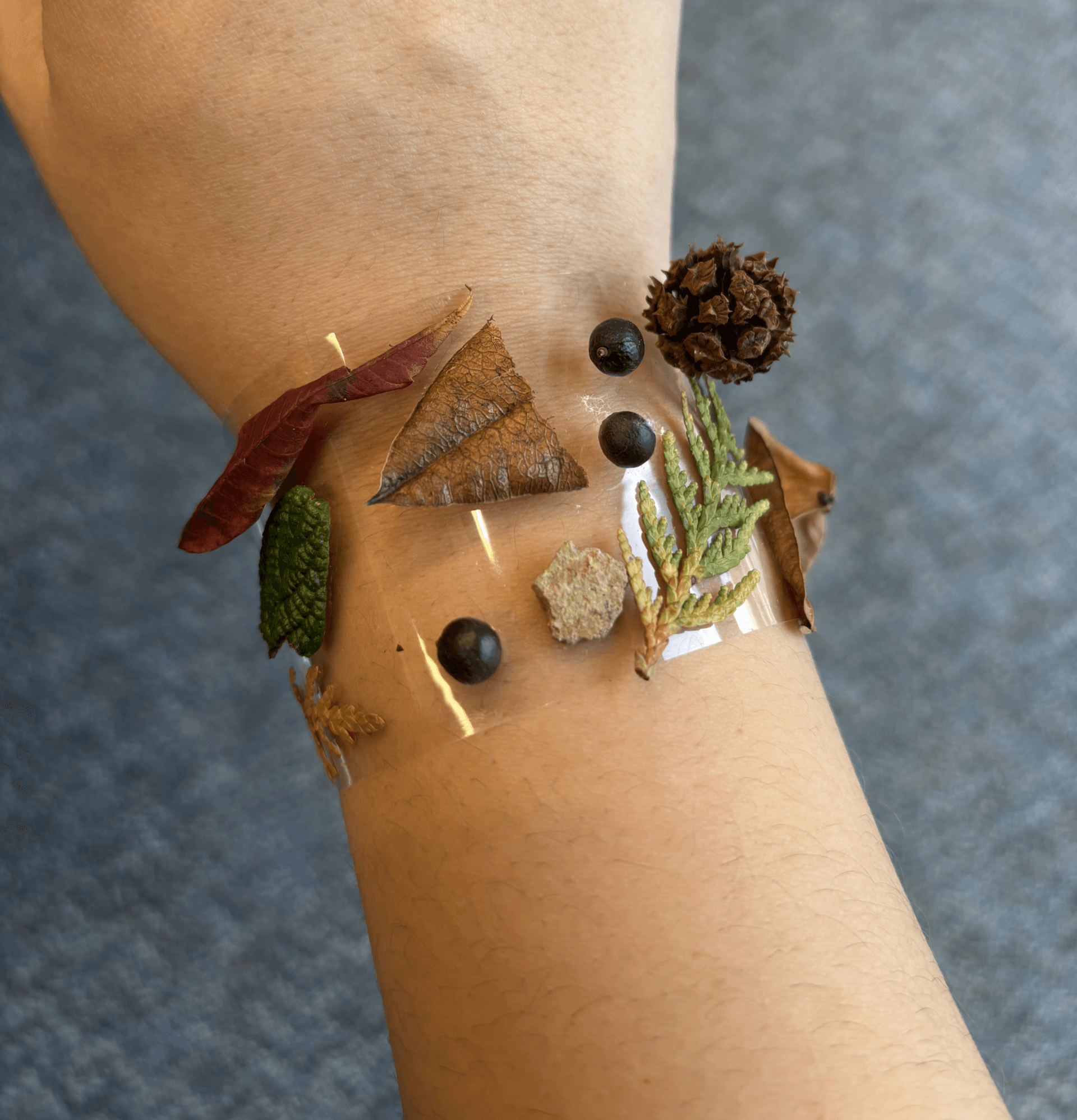
Nature Bracelets
Collect objects from nature and arrange the items to create a personalized bracelet that showcases children’s discoveries and preferences.
 CaregiverActivity
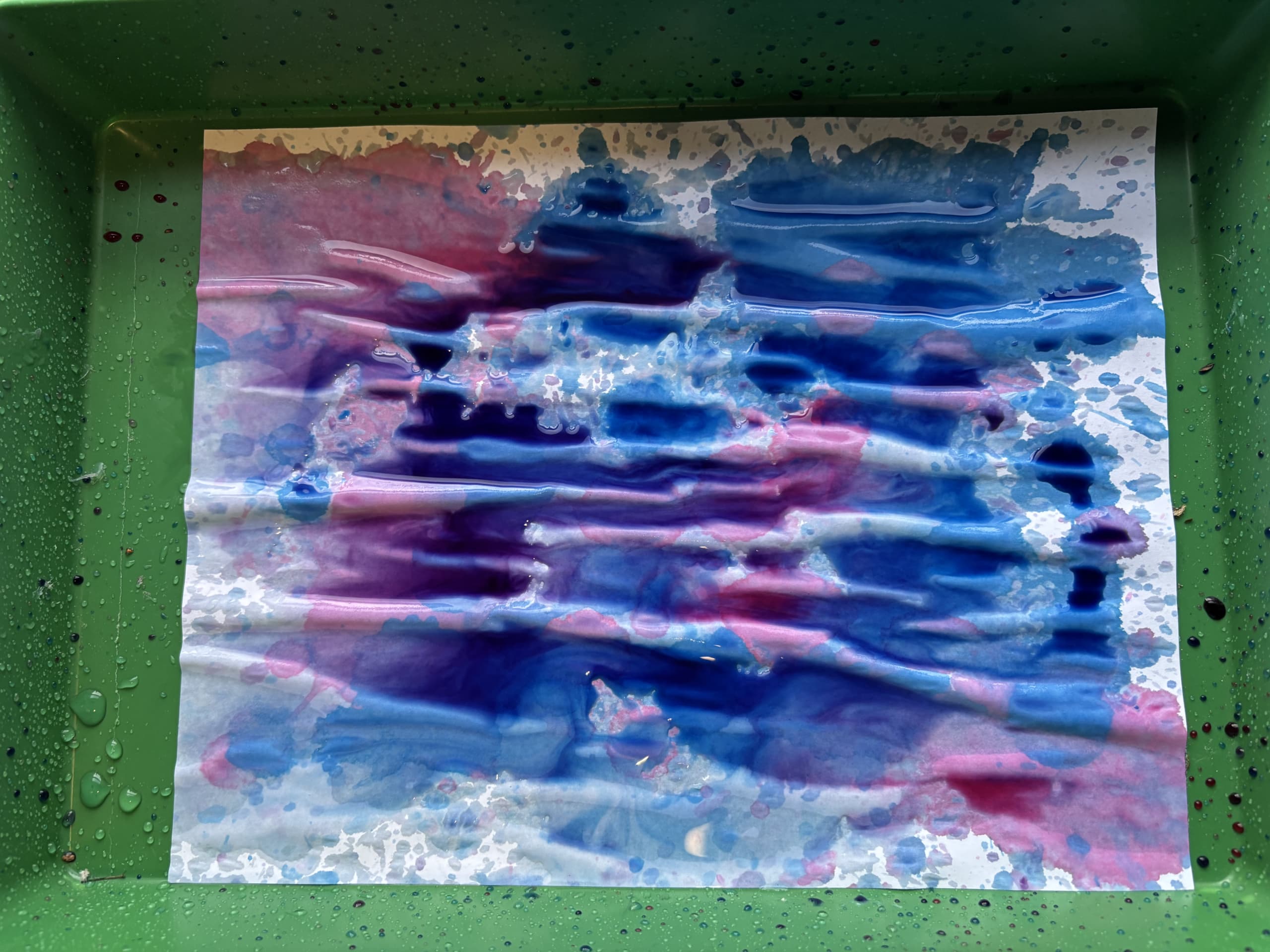
Painting with Rain
Paintings will change in the rain, and colors will mix together. Children can be imaginative with the design of their paintings, and enjoy the process of mixing colors. Learning to accept unpredictable outcomes and/or try again is a great lesson.
 CaregiverActivity
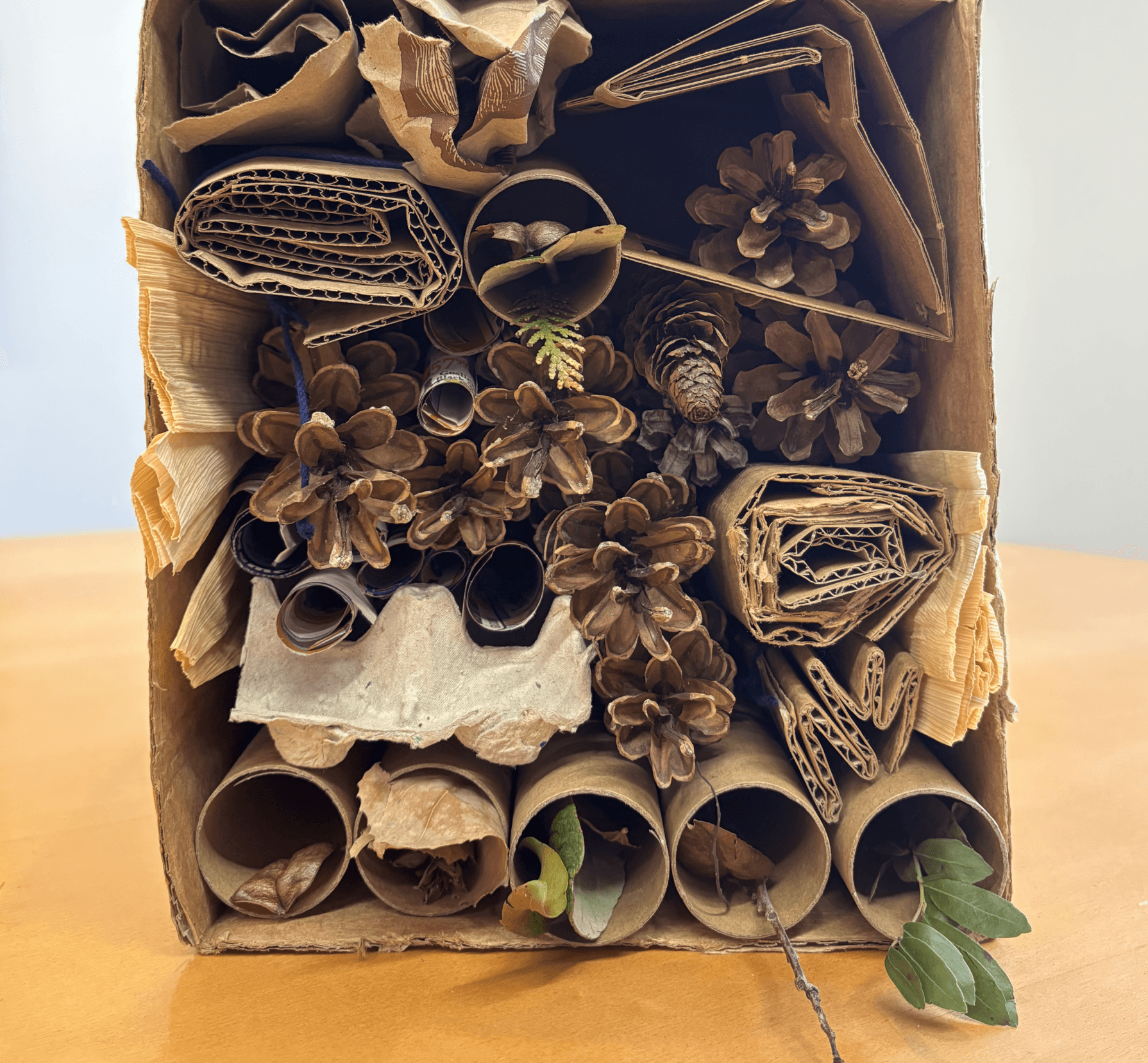
Making Bug Homes
Creating a home for someone else encourages taking care of other living things, and thinking about what makes someone else feel comfortable. Children apply their own knowledge and concept of what a home is, and think imaginatively about how this concept relates to insects based on their needs.
 EducatorGuide
Playful by Nature – Educator Guide
You can incorporate nature-based education anywhere! You don’t need to live in a rural area, or have a forest in your neighborhood, or even have a yard at all. Nature can truly be discovered in unexpected places.