Same and Different
Explore Matching and Sorting
Matching and sorting are key skills that help children learn how things are the same or different. Children might sort and match by color, size, shape, or what things are used for. When they do this, they are learning to compare items, understand groups, notice patterns, and organize information—all important ideas in early math and problem-solving.
- Audience
- Caregiver
- Subject
- Math
- Age
- KindergartenPre-KPreschoolToddler
- Languages
- Brazilian PortugueseEnglishHaitian CreoleSimplified ChineseSpanish
- Materials
- Magnifying glasses, sticky notes, bowls
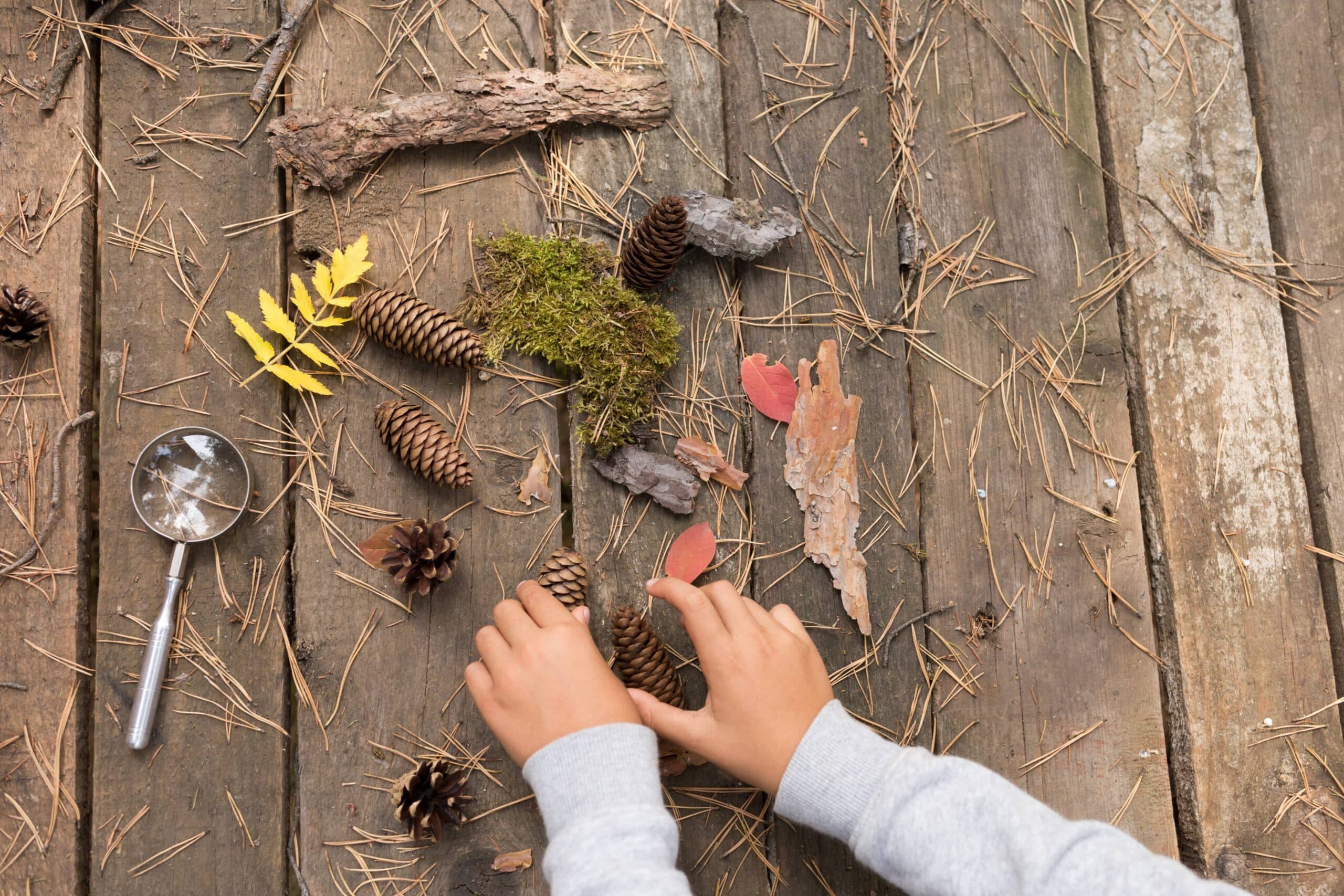
Many adults feel anxious about math, often because of past experiences. But here is the good news: you don’t need to be a math expert to help your child! Just be curious together. Notice the shapes and numbers around you, and talk about them while you play. When math is part of everyday life, it feels less scary for both of you. Laugh, explore, and don’t worry about mistakes.
Try these activities!
Nature collections
- Take a walk around your neighborhood together. Gather some nature items to take back home (leaf, flower, stick, etc.).
- Use a magnifying glass to take a closer look at the items you collected.
- Talk about how your items are similar or different, then try sorting them. Some ideas are…
- Look closely, then sort them into big and small or green and brown.
- Hold them, then sort them into heavy and lightweight.
- Touch and feel them, then sort them into rough and smooth.
- Play a game! Pick two or three objects that are alike in some way. Then add one object that’s different from the others. Ask your child, “Which one doesn’t belong?” and talk about why.
- Take turns—let your child pick the items and you guess! They might choose things that don’t seem to match—and that’s okay. Just have fun playing and taking turns. Your child is still growing their understanding of how things are similar and different.
Sticky note scavenger hunt
- Choose a type of object to look for in your house. For example, it might be…
- Objects that are yellow
- Objects that are soft
- Objects used for sitting on
- With your child, put sticky notes on the type of object you chose. Talk about the objects you found. Were there many, or just a few? Were they all over the house, or mostly in one room?
Drum together
- Turn the bowls upside down to use as drums.
- Tap the bowl to make a sound.
- Ask your child to match what you do. Take turns so you match your child’s sounds and ways of drumming. Some ideas to try…
- Play fast, then slow.
- Play loud, then quiet.
- Use your whole hand, then just the tips of your fingers.
Ways to support your child
“How are they similar or different?”
“What kind of groups could we make?”
“Let’s listen to the different sounds!”
Everyday interactions
Fold laundry together! Encourage your child to help you find matching socks. You can also have them sort clothes by type—like putting all the shirts or pants in a pile. Participating in chores can be fun and helps children build early math skills, like matching and sorting, while caring for themselves and others.
Related Resources
 CaregiverActivity
Up, Down, and Around
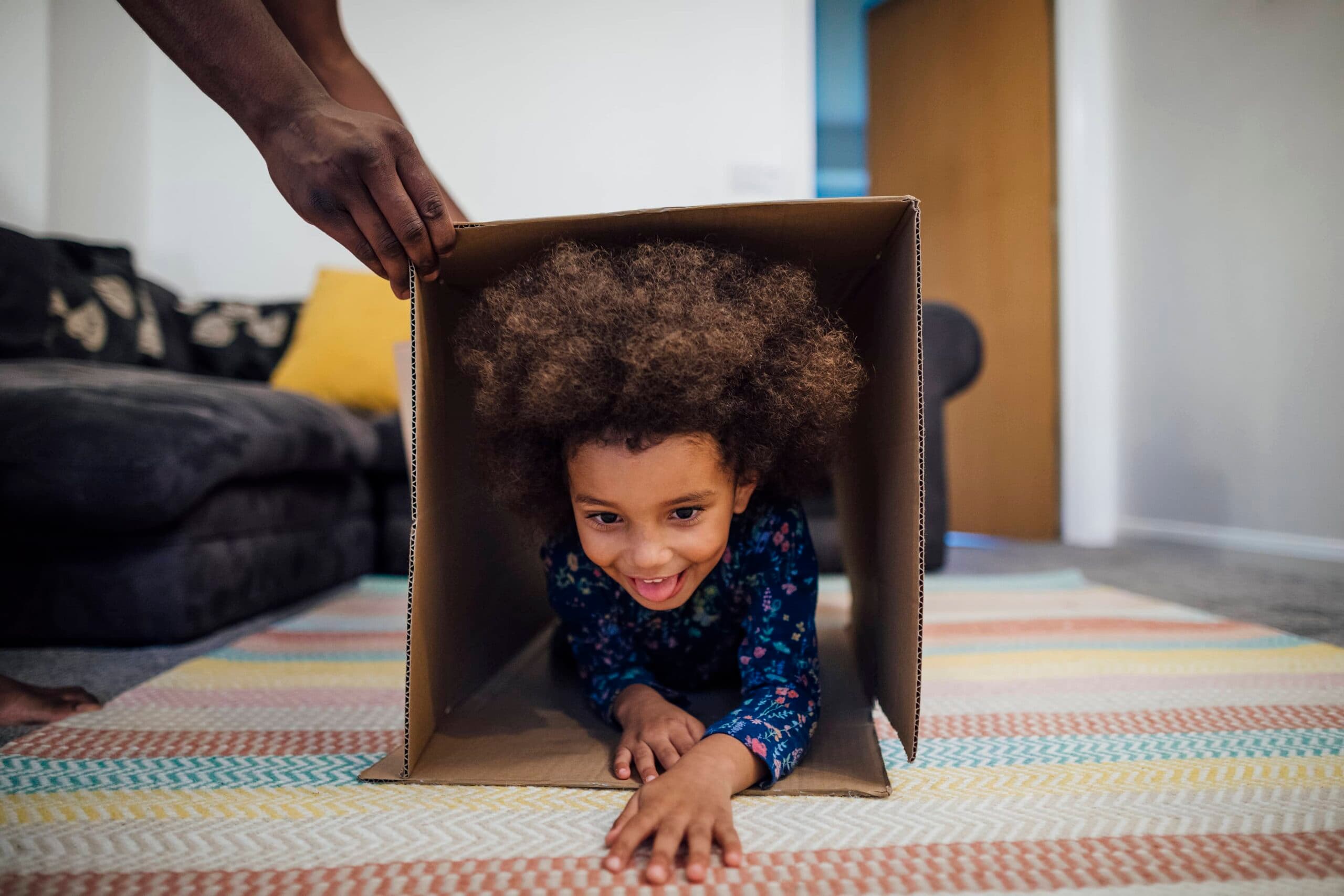
When children crawl under a table, fit toys in a box, or figure out how to get through a narrow path, they are thinking about how to move through or fill up a certain space. Moments like these support spatial thinking—how we understand where objects are and how they move or fit together.
 CaregiverActivity
Big, Small, and in Between
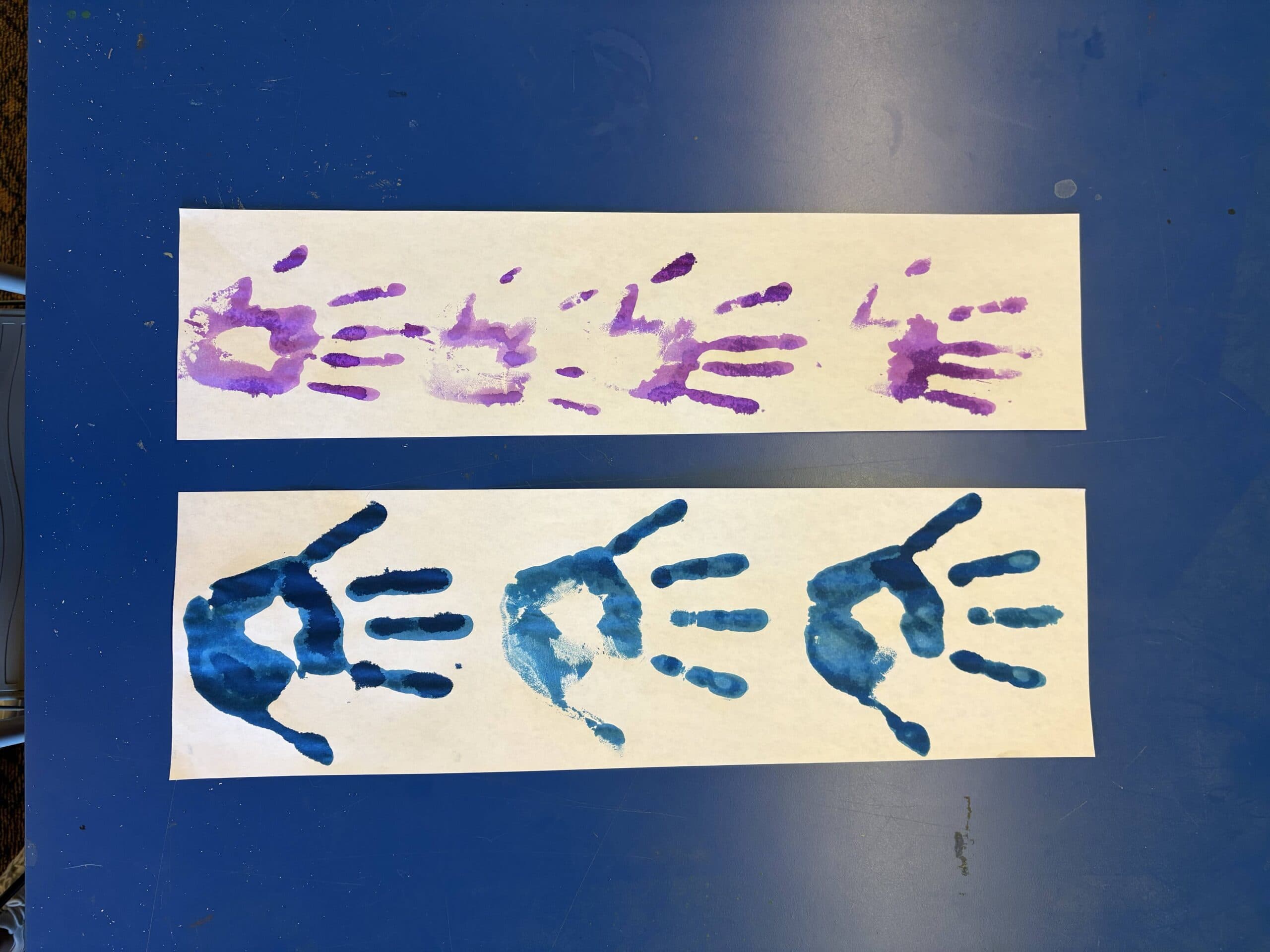
Young children learn about measuring before they ever use rulers or scales. They practice these skills by pouring water, stacking blocks, or filling containers. Children use their senses and simple tools to explore size, weight, length, temperature, and more. They notice if something is big or small, heavy or light, long or short, or more or less.
 CaregiverActivity
Putting Together, Taking Apart
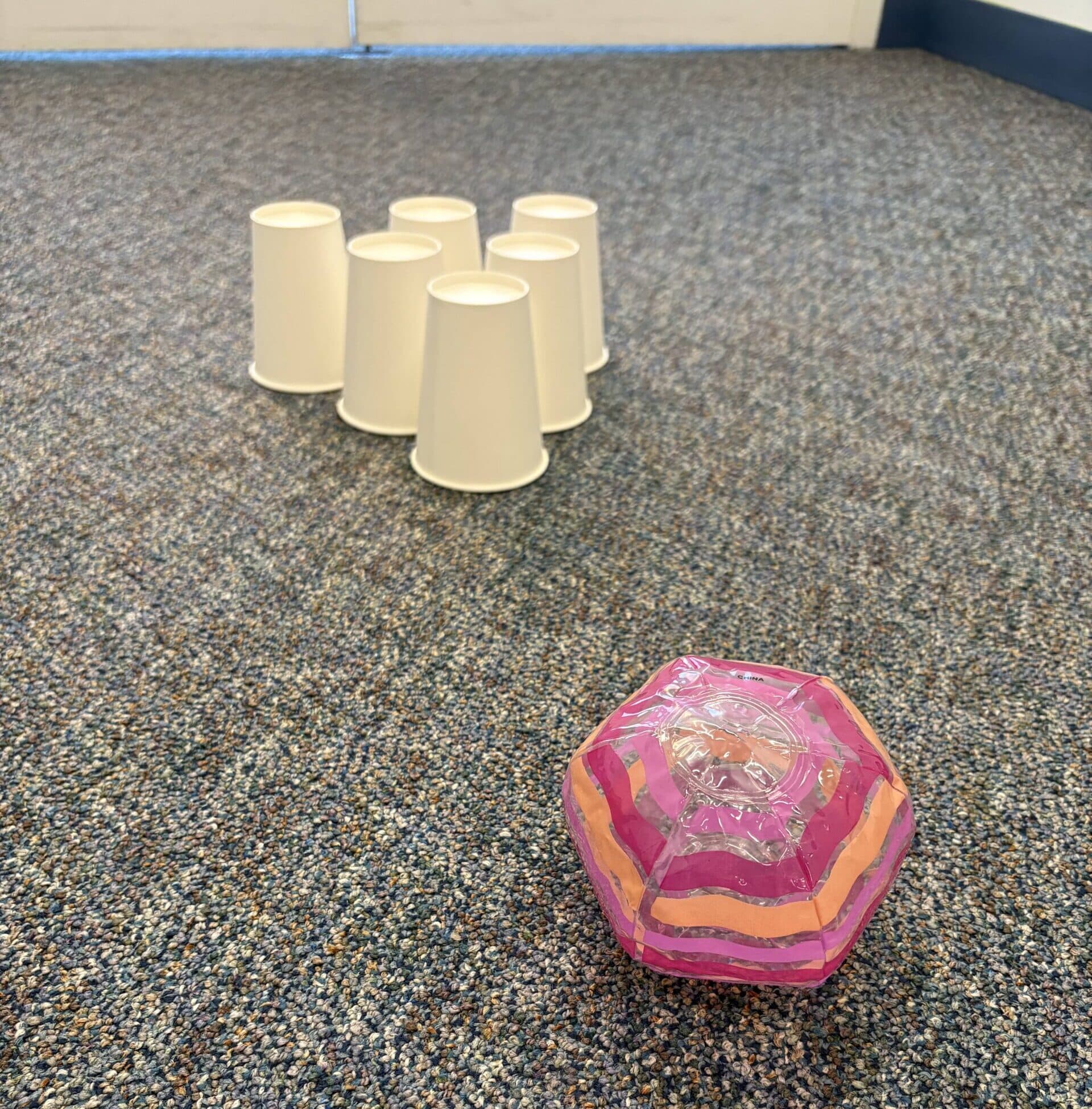
Adding and subtracting happens every day! It’s not just about equations like “1 + 1 = 2.” Young children learn about math by exploring how amounts change—like putting more colors onto their painting (addition) and giving a block from their pile to a friend (subtracting). As children explore putting together and taking apart groups of objects, they practice basic skills that help them get ready for the math they will learn in school.
 CaregiverActivity
Circles, Squares, and More!
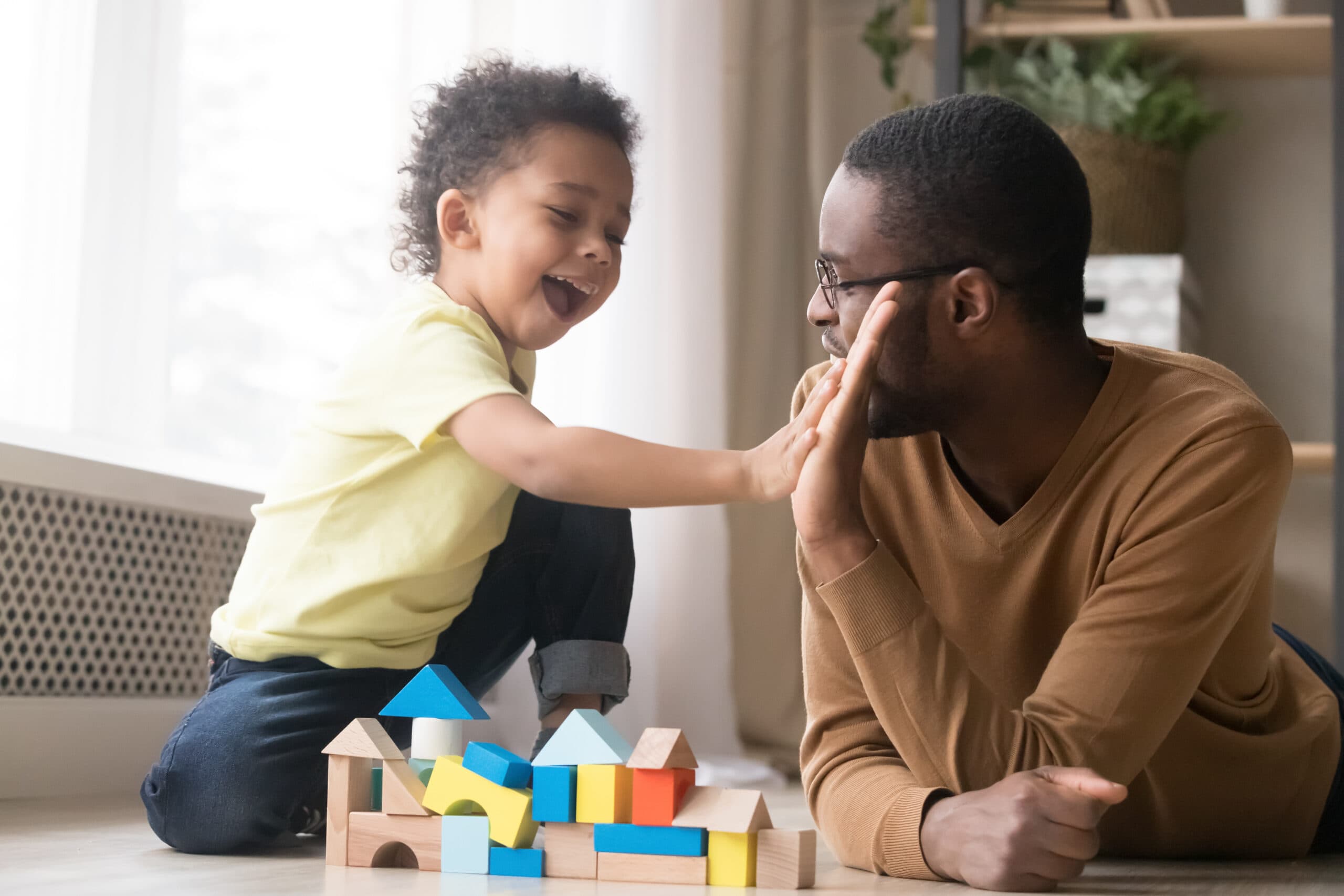
Shapes are everywhere! Some shapes have names—like circle, square, or triangle. Some shapes don’t have names—like the puddles on the ground or the outline of a favorite toy. Children naturally experience shapes when fitting blocks together, sitting in a circle at story time, or trying to fit a square peg into a round hole. Exploring shapes helps them observe, compare, and interact with the world around them.
 CaregiverActivity
1, 2, 3!
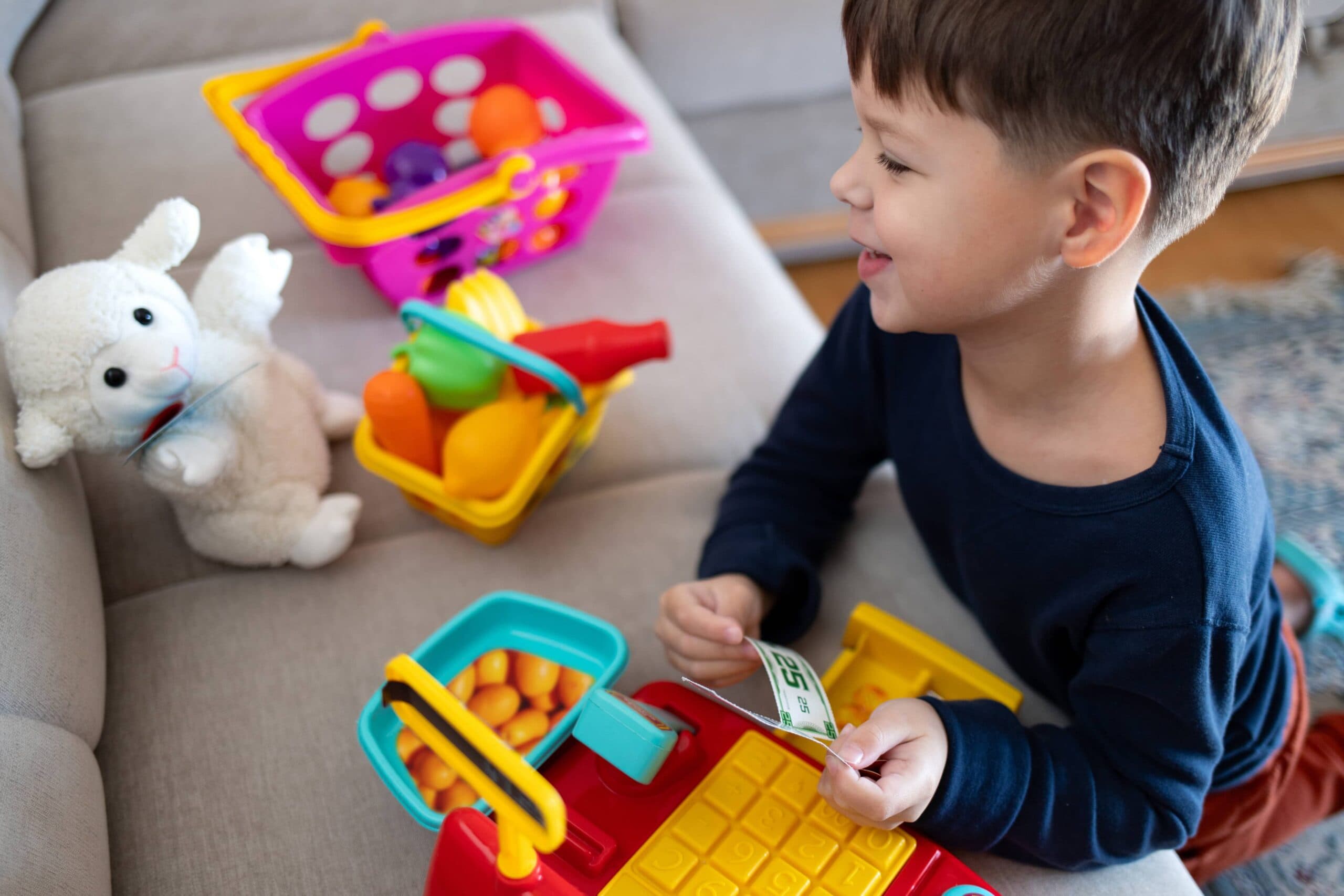
Numbers and counting help us understand ideas like amounts and sizes. When your child says “one, two, three” while touching three blocks, it helps them see that numbers have meaning. This early practice makes it easier for children to learn other math ideas, like adding, subtracting, and measuring.
 EducatorGuide
Math Everywhere – Playgroup Guide
You can use or adapt this playgroup structure to maximize playful learning about early math during your playgroup. Be sure to also visit the Math Everywhere collection to download the accompanying Family Activity Sheets. This playgroup guide includes:
 CaregiverActivity
Snip, Stick, Scribble!
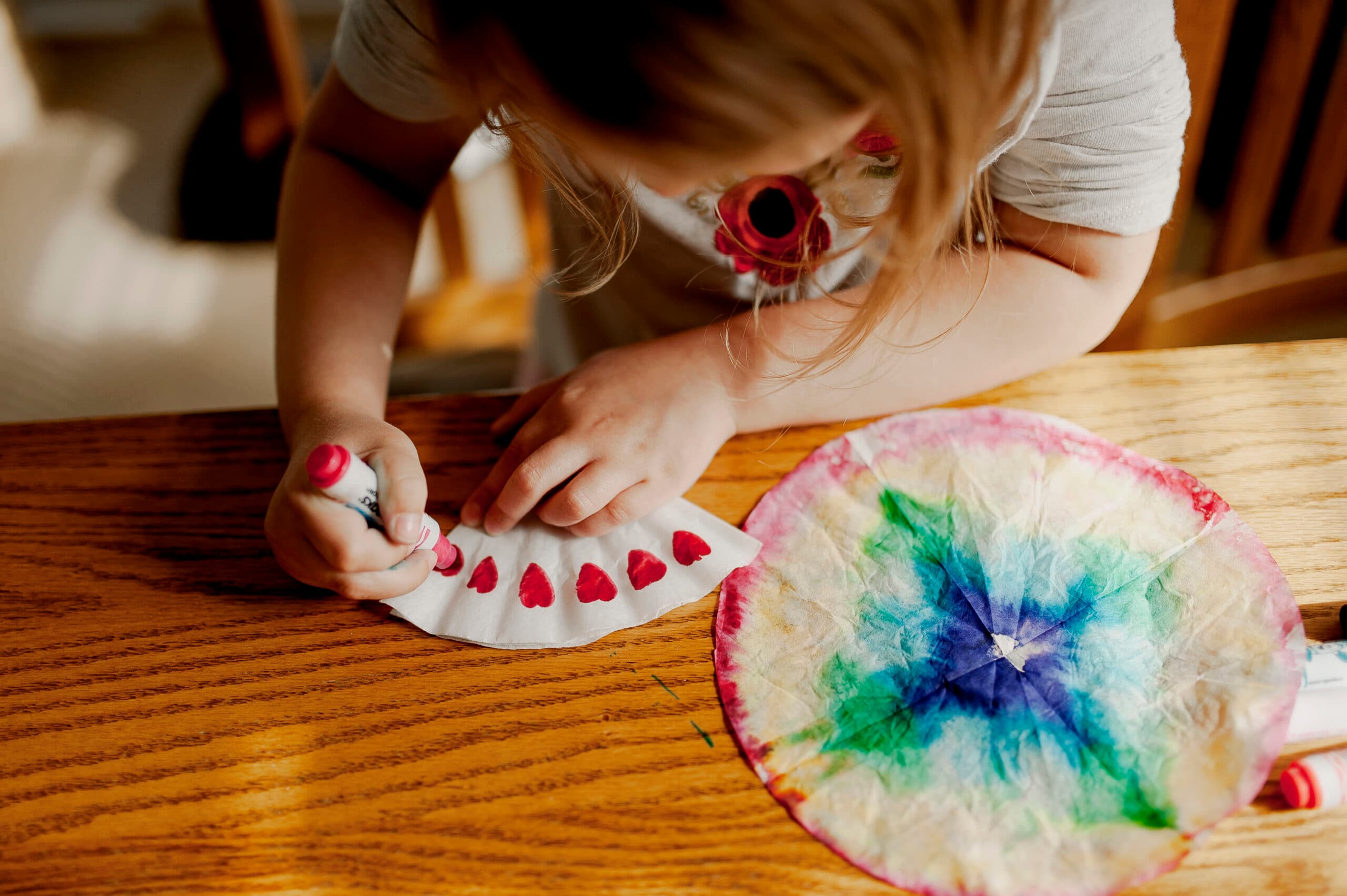
In school, children do lots of activities. They write, draw, paint, and build with different materials. As children do these things, they use tools–scissors to cut paper, paintbrushes to mix colors, and pencils to write letters and numbers.
 CaregiverActivity
I Can Do It
At home, children can often get one-on-one help with what they need. At school, teachers have many children to care for and may not be able to assist right away. This is why it is important for children to learn to do tasks like zip jackets, put on shoes, and open snack containers. These everyday tasks use fine motor skills—small movements of the fingers, hands, and wrists.