More Than Me
Learning about others
“I am happy. But you seem sad?” It is hard to imagine how others feel. But it is a skill that children need to play with others and make friends.
- Audience
- Caregiver
- Subject
- Social-Emotional Learning
- Age
- KindergartenPre-KPreschoolToddler
- Languages
- ArabicBrazilian PortugueseCape VerdeanEnglishFrenchHaitian CreoleRussianSimplified ChineseSpanishVietnamese
- Materials
- Face chart, plastic plate, playdough, puppets, finger paints
The Basics
From the time they are babies, young children need to feel loved by a caring adult—like you! They cannot learn to understand and value others, if they do not feel understood and valued themselves.
Children often notice that another person is having a big feeling. They see another child crying and wonder why. And they might want to find a way to help, but don’t know how.
Making sense of other people’s feelings is harder than making sense of your own. It takes time for young children to develop this skill. But it is an important step towards working and playing nicely with others.
Getting Started
Thinking about other people’s feelings and knowing how to respond with care is complicated. Model these skills for your child. “I can tell that you are scared. I will hold your hand to help you feel better.” Talk about others’ feelings and how you might help.
“She is sad because she dropped her ice cream. I will get her another one.” Be patient as your child learns to think about others.
Things to Try with Ages 2 to 5
What does this face mean?
- Pick a feeling from the face chart, but don’t tell your child which one you chose. Make the face and invite your child to guess which feeling it is. Give hints. “Yay! I went to the park today!” Pick a different feeling and try again.
- Give yourself and your child each a plastic plate. Use playdough to make faces on your plates. Take turns guessing the feelings for each face and what might be causing those feelings. “Yours has a surprised face! Did she see a flying dog?” “Mine has a sad face. What do you think made him sad?”
Pretend play
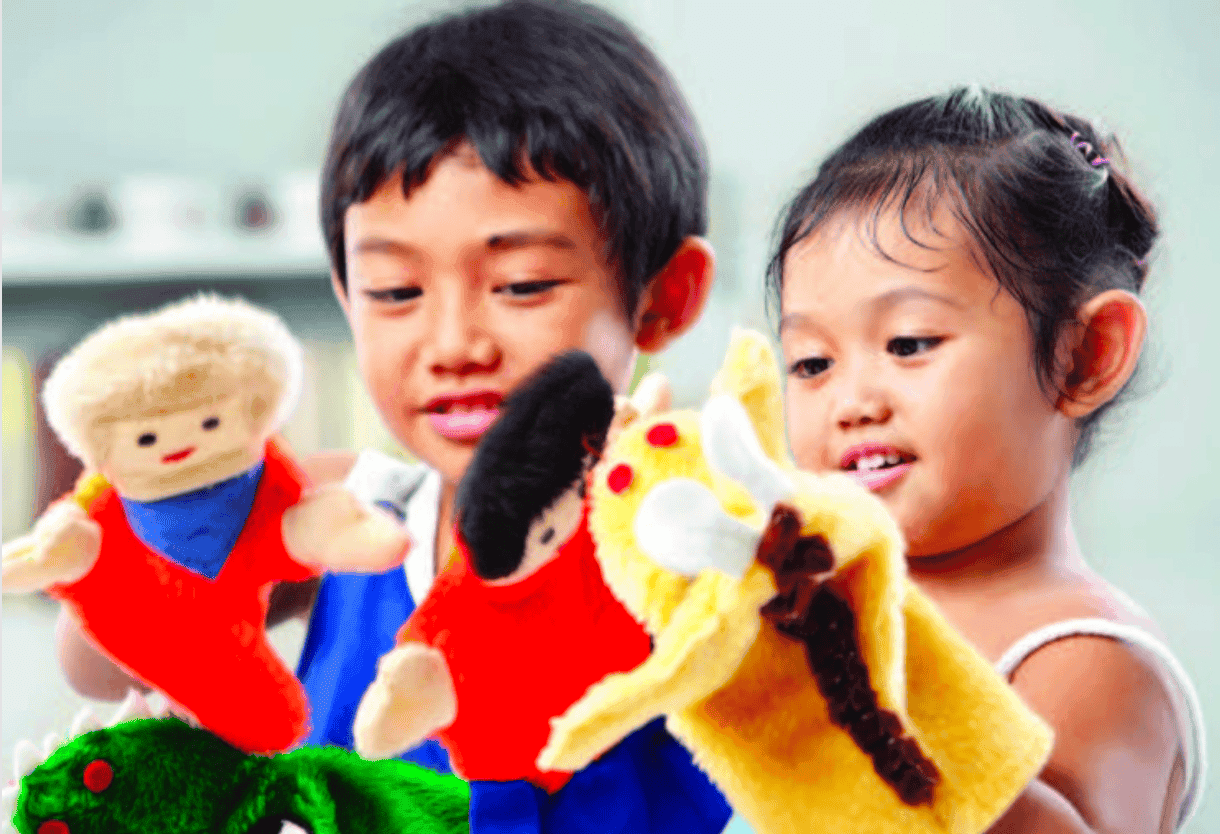
- Pretend with your child and the puppets. “Pig is feeling sick. What can we do to help him feel better?” Act out helping the puppet feel better together. Make up other stories that show caring. “It’s Duck’s bedtime. How can we help her get ready?”
- “Let’s pretend the puppet is the teacher. Would you like to be the teacher?” Encourage your child to pretend to be someone who cares for others, like a babysitter, doctor, or firefighter.
It’s for you!
- Invite your child to use the finger paints to make a painting for someone they love. Ask, “Who are you painting this for? What colors do you think they might like?” Help your child add some words to the painting. Then put it in the mail or take a photo to send by email or text message.
Everyday Interactions
At mealtimes, talk about the things each person likes or does not like. “You like broccoli. But your sister does not. Do you think your uncle likes it?”
Point out the feelings of the people in the books you read. Then talk about how another person in the story responds to those feelings.
Model, Notice, Practice
“Your sister is crying because she fell. I’m giving her a hug to help her feel better.”
“You are petting your stuffed bear nice and gently! How is your bear feeling?”
“Your brother is mad because you took his cookie. Please give it back. You can ask for your own cookie.”
Related Resources
 CaregiverActivity
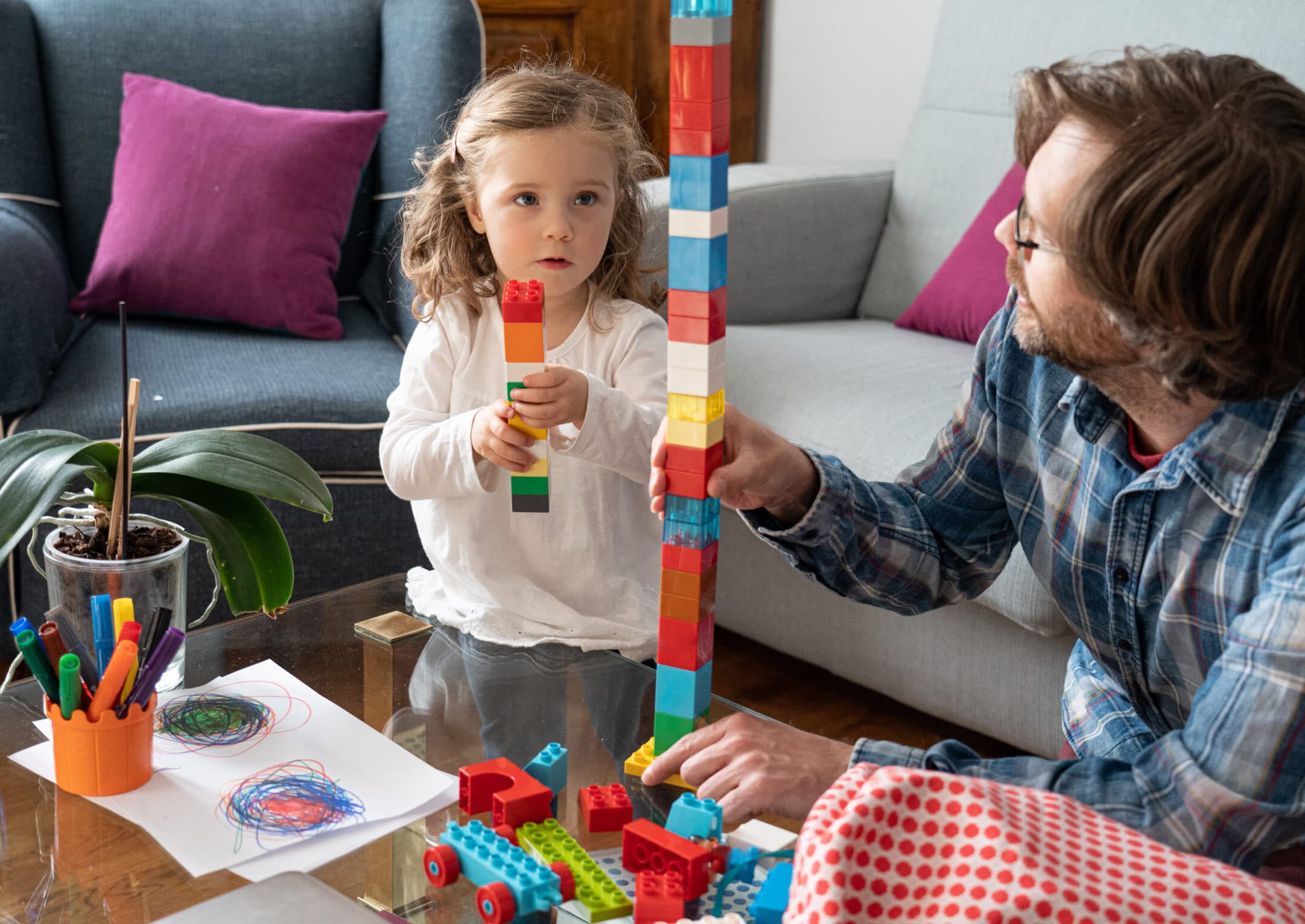
Figuring It Out
Stuck zippers! Snatched toys! Spilled milk! Learning to be a good problem-solver helps children be independent and feel more comfortable trying new things. It also helps them enjoy playing with others.
 CaregiverActivity
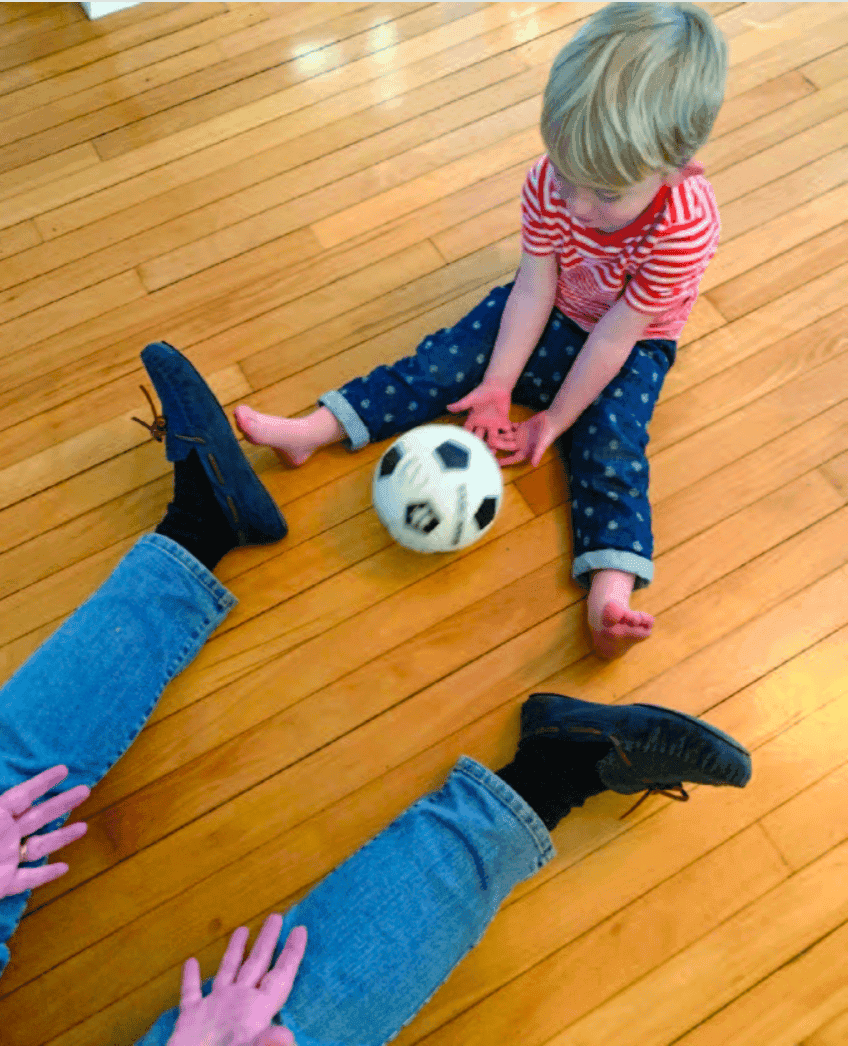
My Turn, Your Turn
Taking turns is an important part of playing and working together, but it is not easy. Children need a lot of practice and help from adults to learn to do it well.
 CaregiverActivity
Listen, Think, and Do
“Please wait.” “Eat your spaghetti with your fork.” “Give your friend a turn.” Learning the skills to follow directions helps children learn to behave nicely with others.
 CaregiverActivity
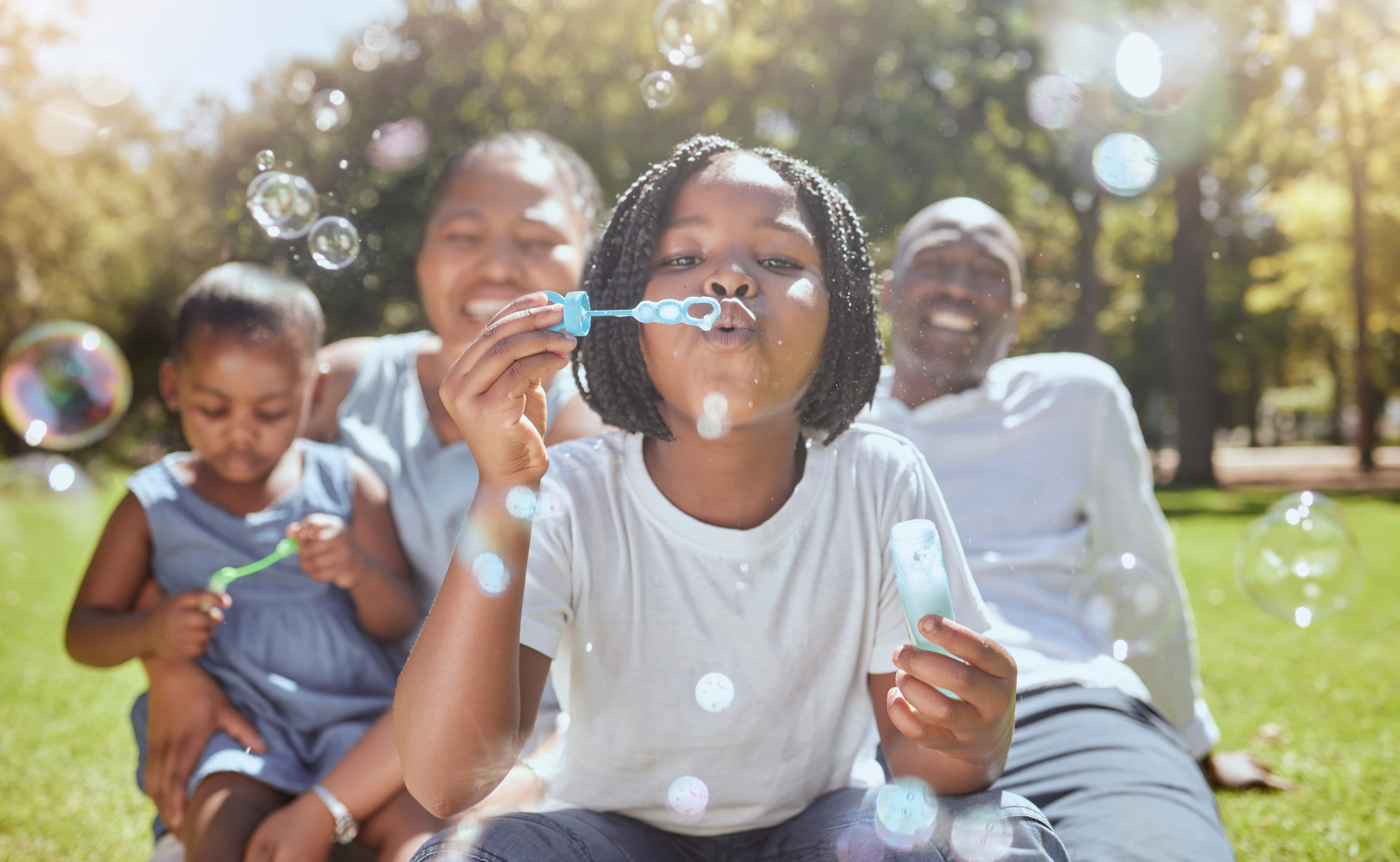
Deep Breaths and Happy Dances
Really happy, really sad, or really mad—feelings can be hard to manage. When a child can manage their feelings, they are able to show their feelings without losing control.
 FeaturedCaregiverActivity
Happy, Sad, Mad
Children experience lots of different feelings. Every feeling has its own name. But each child feels and shows their feelings in different ways.
 CaregiverActivity
Stories Full of Feelings
Books are great tools to support young children’s social-emotional learning. The characters in the stories introduce many different feelings and ways of being a good friend or helper. And many stories also share creative ways of problem-solving.
 EducatorGuide
Me, You, We – Playgroup Guide
Playgroup structure to maximize social-emotional learning during your playgroup.
 CaregiverActivity
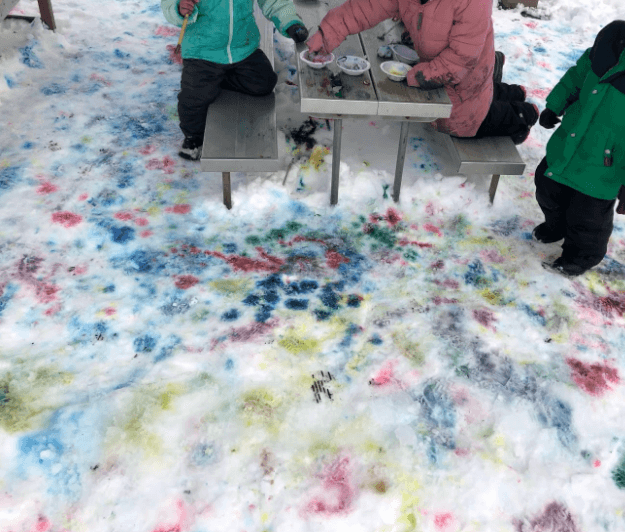
Painting Snow
Children can paint freely across a unique surface and see where their ideas take them. Experiencing textures and temperatures you feel, like the hard ground, cold snow, and frozen, slippery ice.