Squeeze It
Using Droppers with Tiny Hands
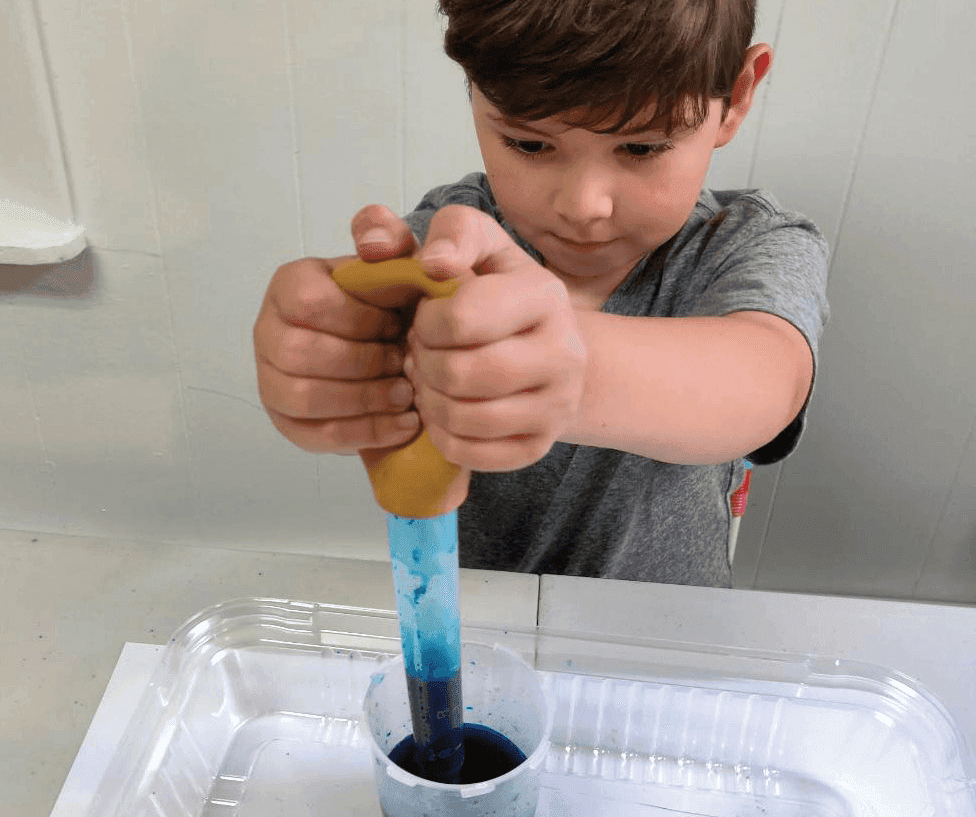
Turkey basters and eye droppers are perfect tools for practicing fine motor skills. They are also great for learning to focus and look closely at something.
- Audience
- Caregiver
- Subject
- Fine Motor Skill Development
- Age
- KindergartenPre-KPreschoolToddler
- Languages
- EnglishSpanish
- Materials
- Cups , dot sticker, eye dropper , half sheet of paper, mini beach ball, straw, tape, turkey baster, wax paper
The Basics
Help your child learn to use these tools. Consider starting with the turkey baster. Then, try the eye dropper. Use a bowl of water and show them how to:
- Insert the tip of the tool below the surface of the water.
- Use their hand or fingers to squeeze the bulb (watch for bubbles!).
- Release the bulb lightly—water should move up into the tube.
- Lift the tip of the tool above the water.
- Release water one drop at a time or quickly to make a squirt.
Tool Tips
Turkey basters and eye droppers push out air or water when they are squeezed, so make a rule that the tip of the tool should not be pointed at anyone’s eyes or ears. Set rules for using these tools with water (like no squirting towards a person). For all water activities, make sure you supervise your child and empty the water when you’re done.
Things to Try with 2 to 3-Year Olds
Things to Try with 3 to 5-Year Olds
Related Resources
 CaregiverActivity
Ready, Steady, Cut
 CaregiverActivity
Stack Them Up, Knock Them Down!
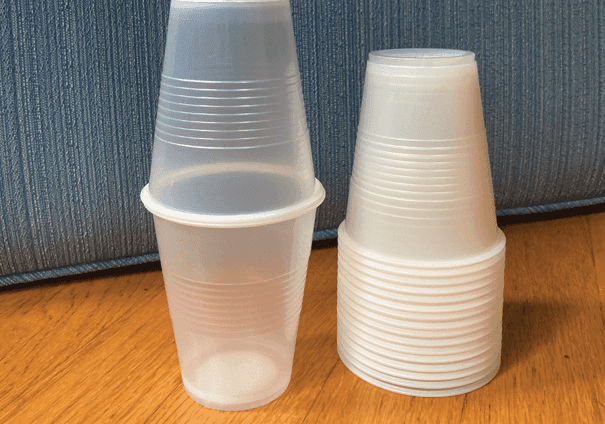
Cups of all shapes and sizes can keep your child busy for longer than you might think. Each of these activities builds coordination and control in your
child’s hand muscles.
 CaregiverActivity
Pick It Up
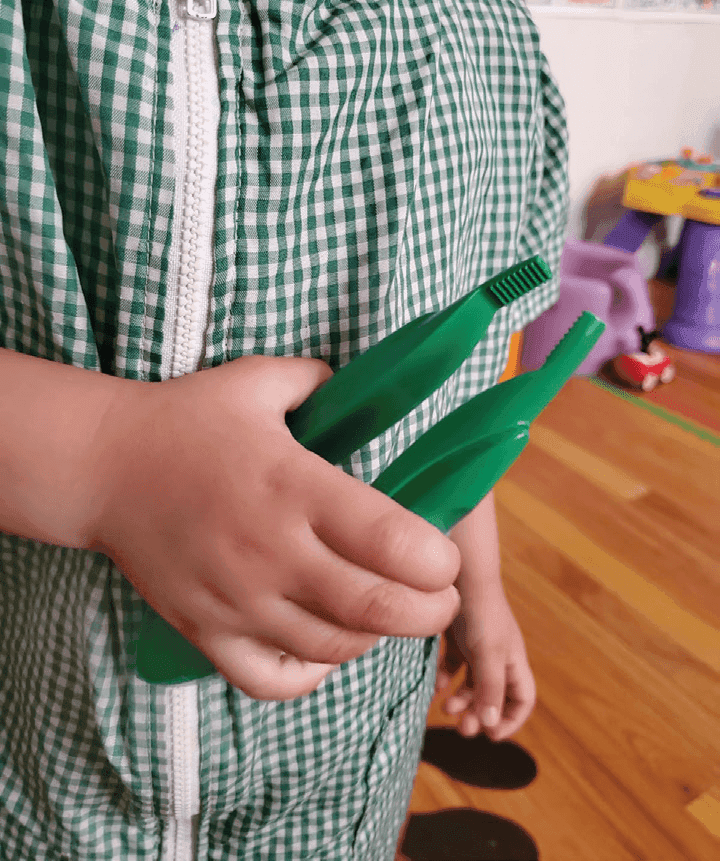
Fingers and tweezers do similar jobs. They both help to pick things up. Using tweezers takes lots of control and hand-eye coordination.
 CaregiverActivity
Peel, Rip, and Stick
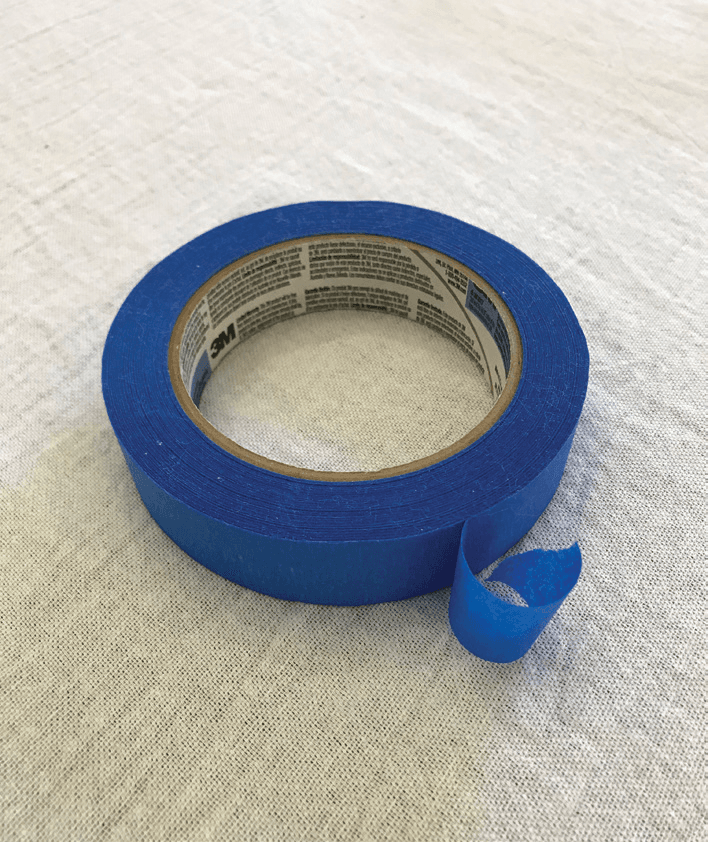
Tape and stickers are excellent tools for practicing small movements such as peeling, ripping and sticking.
 CaregiverActivity
Swirl, Mix, and Dot
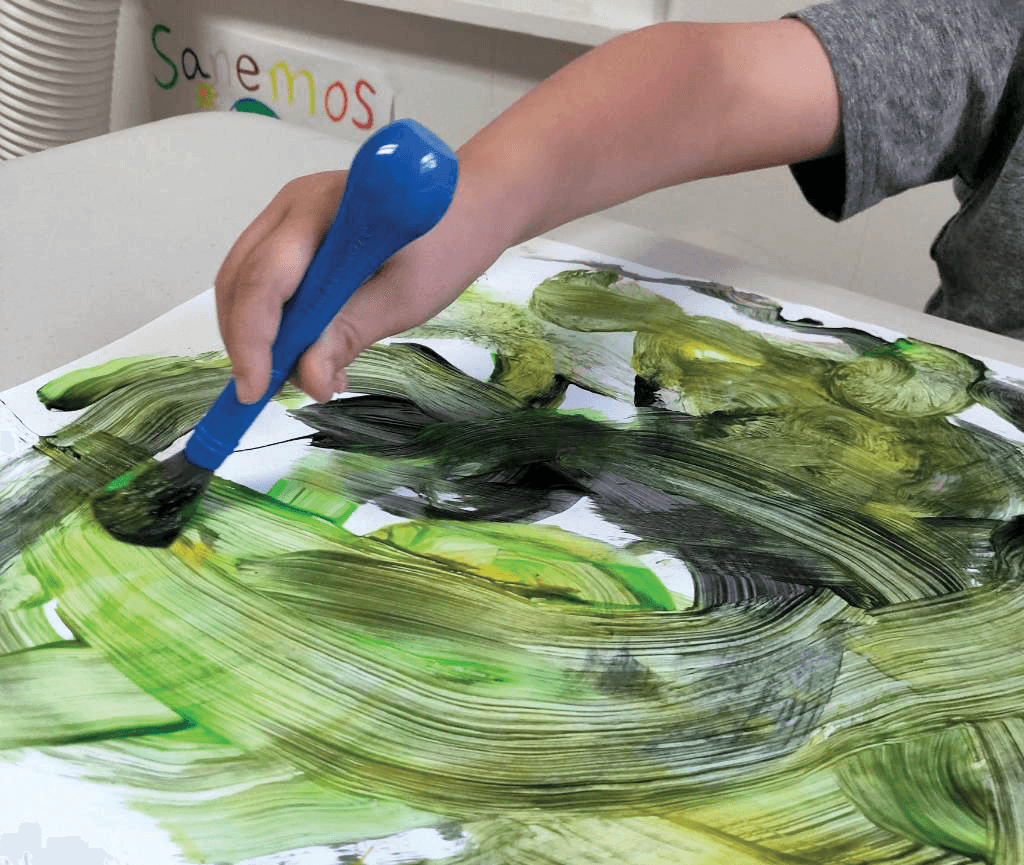
Painting is creative and can be relaxing for children. It also builds fine motor control and coordination.
 CaregiverActivity
Touch, Point, and Turn
 CaregiverActivity
Snip, Stick, Scribble!
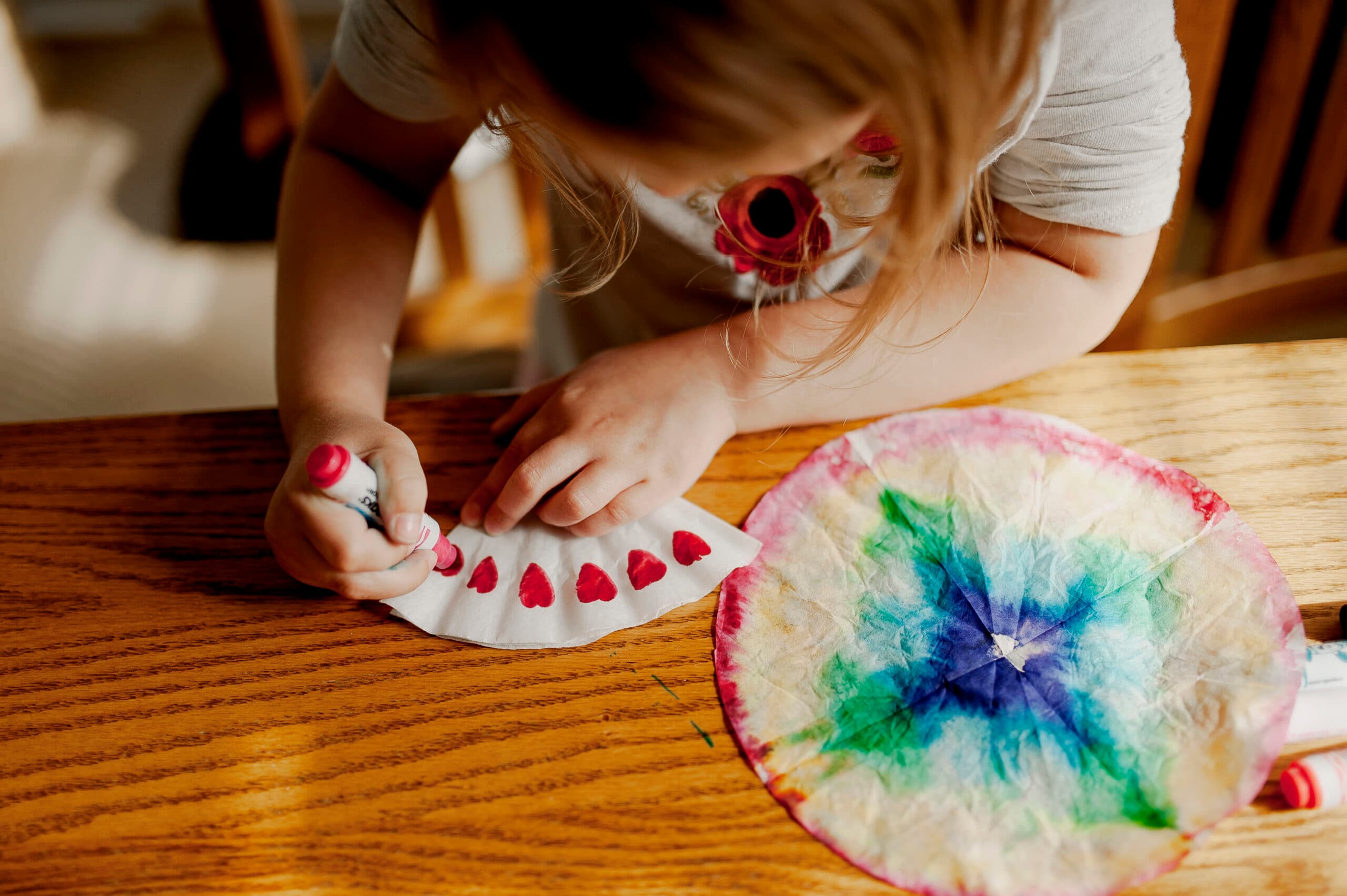
In school, children do lots of activities. They write, draw, paint, and build with different materials. As children do these things, they use tools–scissors to cut paper, paintbrushes to mix colors, and pencils to write letters and numbers.
 CaregiverActivity
I Can Do It
At home, children can often get one-on-one help with what they need. At school, teachers have many children to care for and may not be able to assist right away. This is why it is important for children to learn to do tasks like zip jackets, put on shoes, and open snack containers. These everyday tasks use fine motor skills—small movements of the fingers, hands, and wrists.