Stack Them Up, Knock Them Down!
Using Cups with Tiny Hands
Cups of all shapes and sizes can keep your child busy for longer than you might think. Each of these activities builds coordination and control in your
child’s hand muscles.
- Audience
- Caregiver
- Subject
- Fine Motor Skill Development
- Age
- KindergartenPre-KPreschoolToddler
- Languages
- EnglishSpanish
- Materials
- Paper, plastic cups, popsicle sticks, mini beach ball, straws, tape, yarn
The Basics
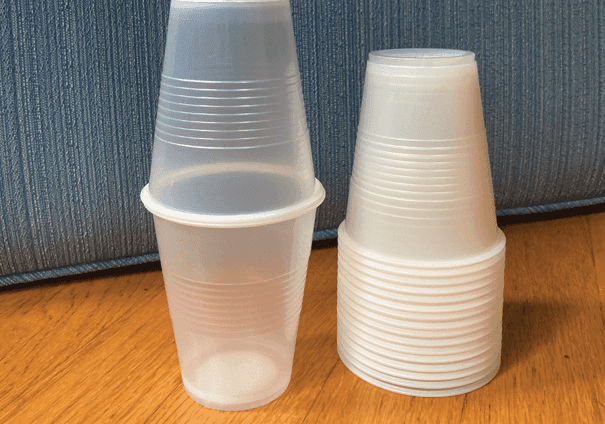
Give your child lots of time to explore with plastic cups. Let them follow their interests. They might take apart a stack. Line them up. Build something tall. Scoop and pour water or sand. Sort objects into different cups again and again.
Tool Tips
Plastic or paper cups are good to play with. But some hard plastics can be sharp if they crack. Choose softer plastic cups for building.
Things to Try with 2 to 3-Year Olds
In a line. Give your child lots of plastic cups all stacked together. They might see how they fit together, like a puzzle. Use tape on a table or the floor to create a line or a shape. Invite your child to take the cups apart and follow the tape to line up their cups.
Knock them down. Give your child some plastic cups. Invite them to try building up. Work together to make a simple tower or pyramid with three cups. Then, let them knock them down!
Go wild! Give your child some plastic cups and other materials like popsicle sticks, pieces of yarn, straws, and more. Add things from your home like toilet paper tubes and egg cartons. Let them build in any way they choose.
Things to Try with 3 to 5-Year Olds
Bigger and higher. Give your child lots of plastic cups. Encourage them to build a large pyramid with at least five cups at the bottom. Then make it bigger and higher. Use as many cups as you have. Invite them to try taking a cup out from the middle without the whole thing falling. They’ll need very steady hands!
Small worlds. Set out many different materials like plastic cups, popsicle sticks, pieces of yarn, egg cartons, and toilet paper tubes. Invite your child to get some of their favorite small toys, like small dolls, animals, or cars. Create a small, pretend world for the toys. Tell stories together about your child’s small world. What adventures happen here?
Engineering challenges. Gather materials like plastic cups, popsicle sticks, tape, and more. Write down a few building challenges for your child on small pieces of paper. Ideas could include: Build a structure using all the cups. Build the tallest tower you can. Build a bridge. Crumple up the paper and have your child pick a mystery challenge to try. Then, start building!
Bonus!
Full Body Activity. Find some open floor space in your home. Put a line of tape on the floor. Have your child stack some plastic cups a few feet from the line. Invite them to roll the mini beach ball towards the cups, like bowling. Move the tape line further away for more of a challenge.
Things to Say
“Hmm. How many cups are we stacking?”
“If you put three more cups on top what will happen?”
“It's okay. Let's start over.”
Related Resources
 CaregiverActivity
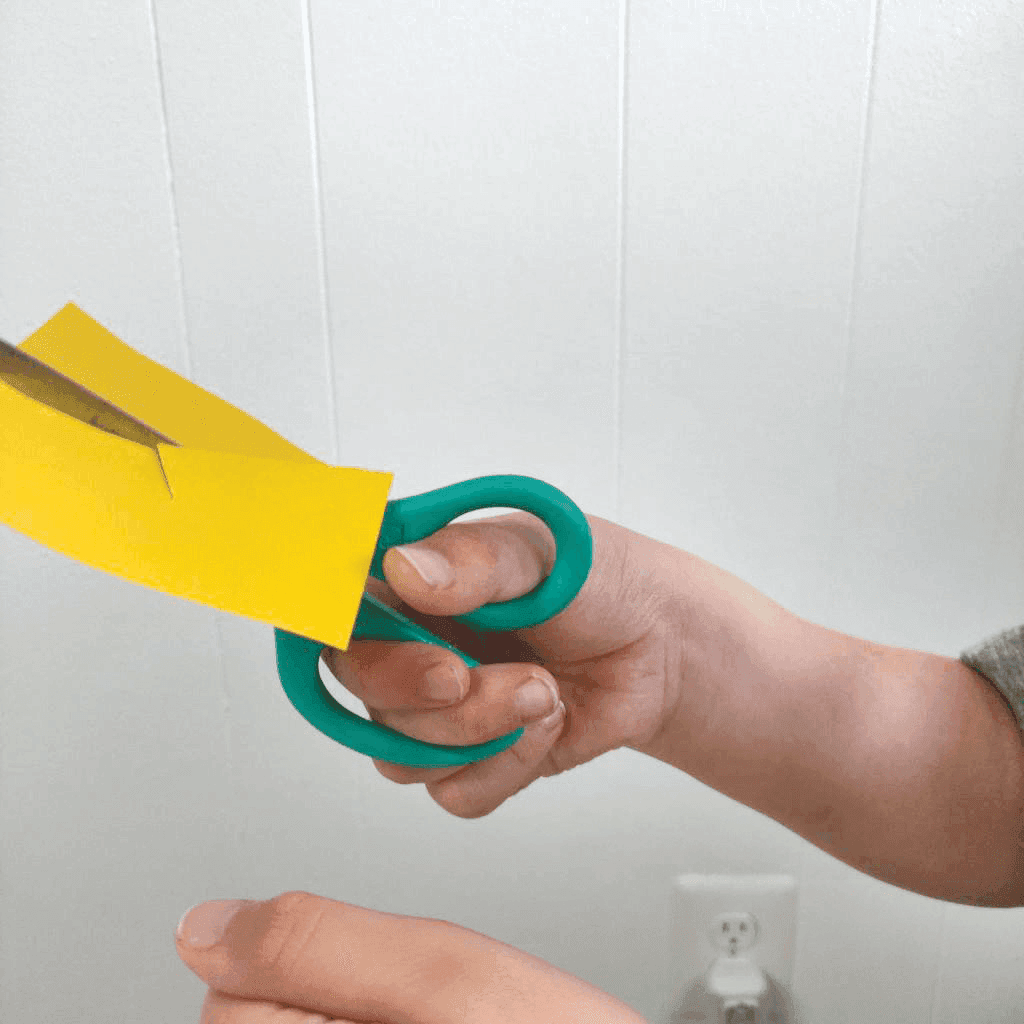
Ready, Steady, Cut
 CaregiverActivity
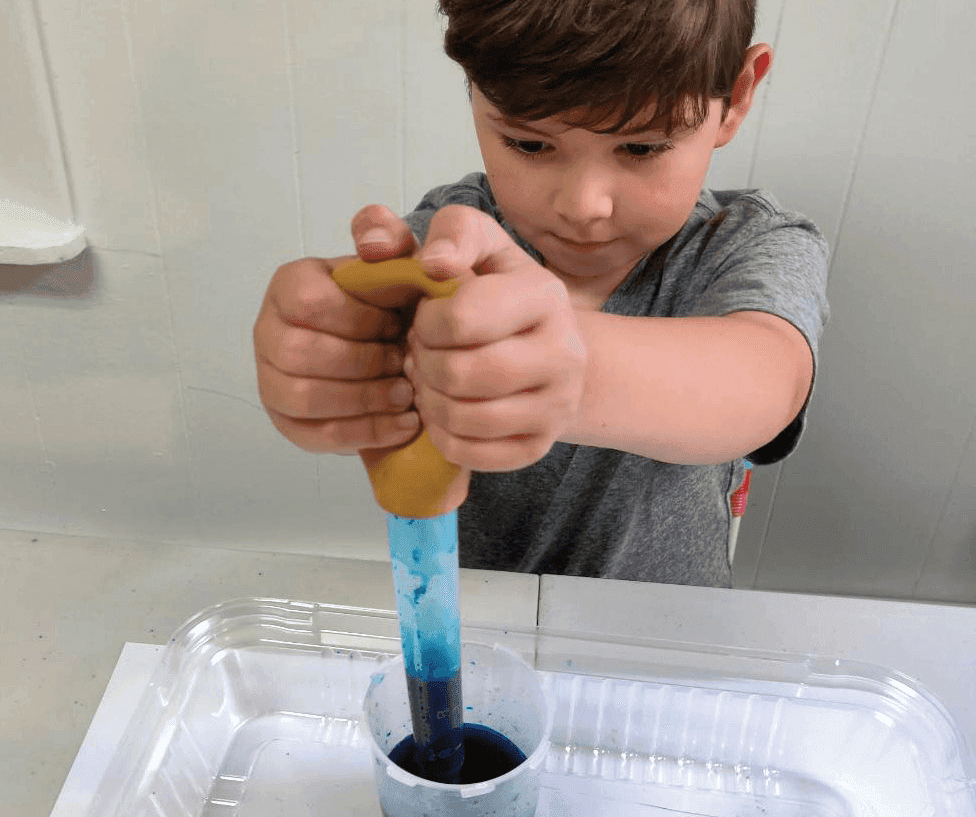
Squeeze It
Turkey basters and eye droppers are perfect tools for practicing fine motor skills. They are also great for learning to focus and look closely at something.
 CaregiverActivity
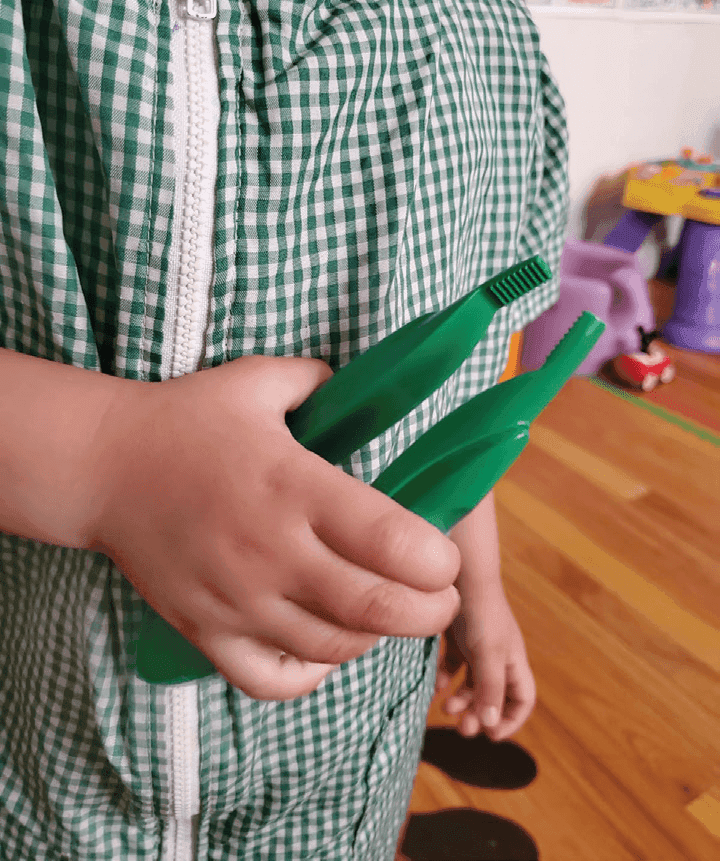
Pick It Up
Fingers and tweezers do similar jobs. They both help to pick things up. Using tweezers takes lots of control and hand-eye coordination.
 CaregiverActivity
Peel, Rip, and Stick
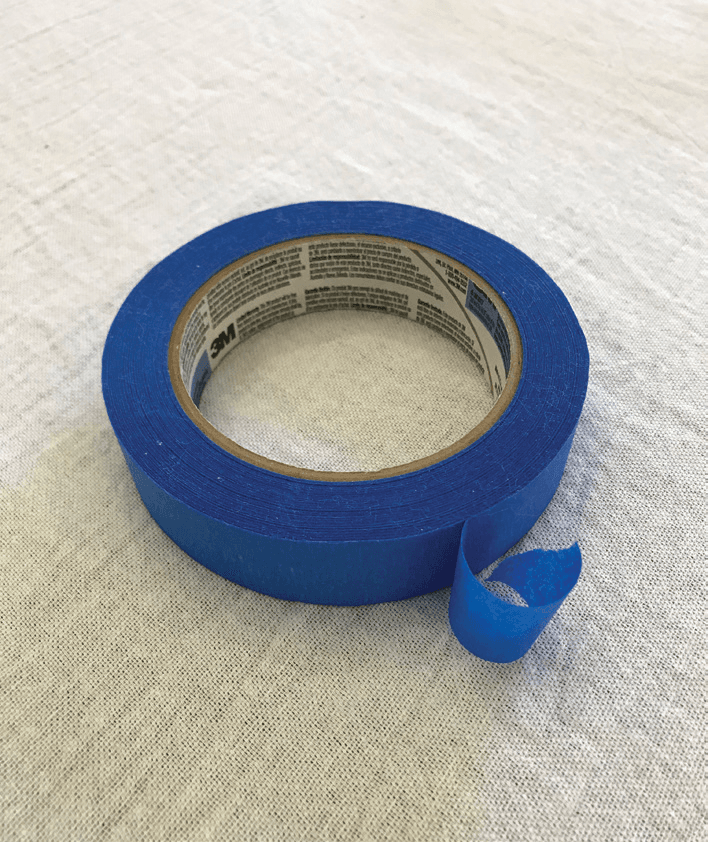
Tape and stickers are excellent tools for practicing small movements such as peeling, ripping and sticking.
 CaregiverActivity
Swirl, Mix, and Dot
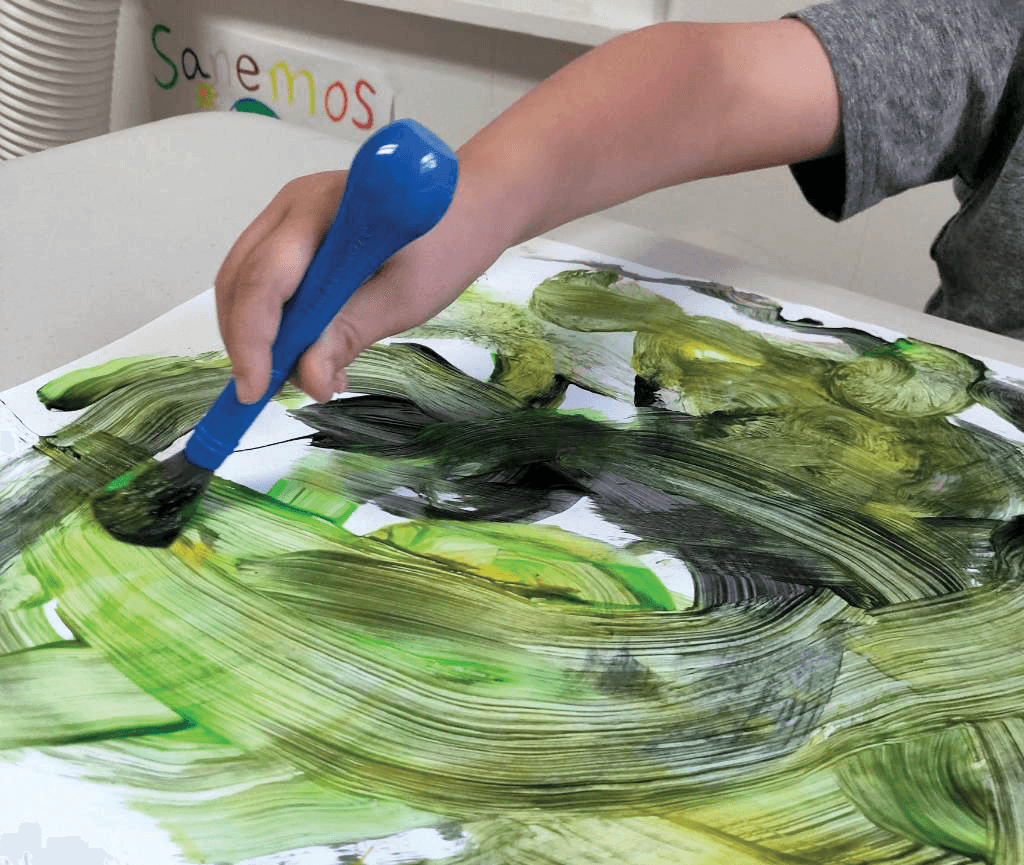
Painting is creative and can be relaxing for children. It also builds fine motor control and coordination.
 CaregiverActivity
Touch, Point, and Turn
 CaregiverActivity
Snip, Stick, Scribble!
In school, children do lots of activities. They write, draw, paint, and build with different materials. As children do these things, they use tools–scissors to cut paper, paintbrushes to mix colors, and pencils to write letters and numbers.
 CaregiverActivity
I Can Do It
At home, children can often get one-on-one help with what they need. At school, teachers have many children to care for and may not be able to assist right away. This is why it is important for children to learn to do tasks like zip jackets, put on shoes, and open snack containers. These everyday tasks use fine motor skills—small movements of the fingers, hands, and wrists.